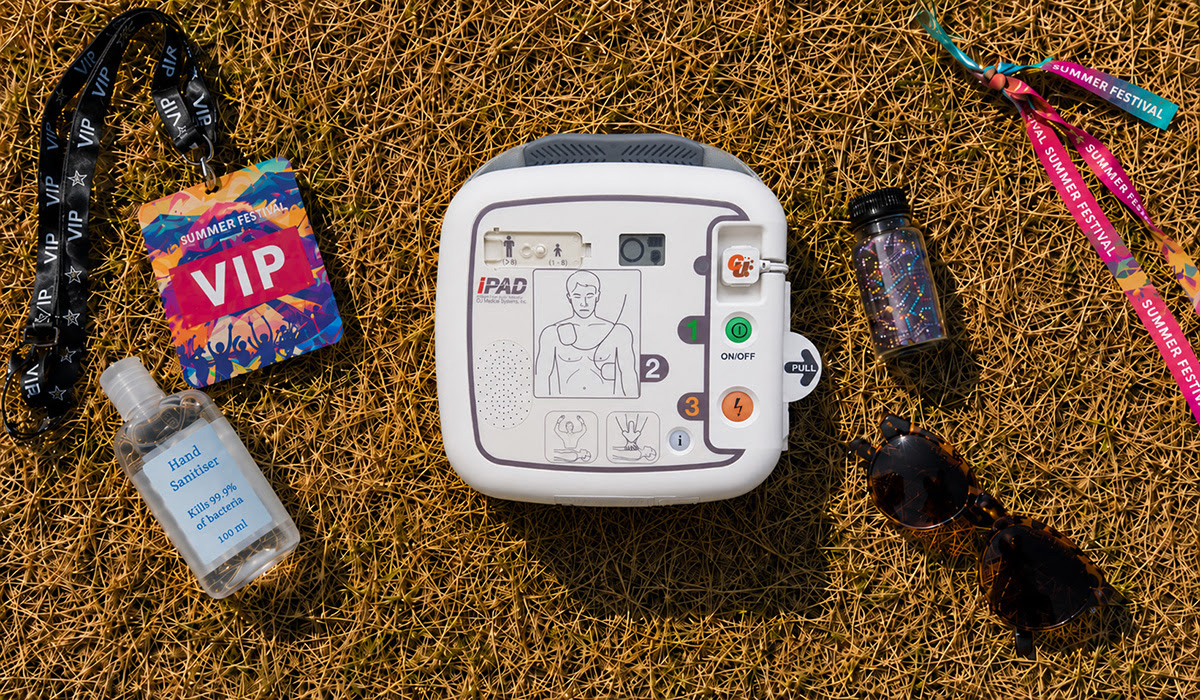
Somewhere in the UK this summer, a heart will stop beating at a county show, a music festival, or a village fete.
It happens more often than most organisers realise, and when it does, the only thing that matters is what was already in place beforehand. That’s what this defibrillator checklist for events is for.
We’ve spent years supplying defibrillators to the NHS, sports clubs, schools and community groups, and organisers ask us the same questions every spring: where should the defibrillator go, how many do you need, and who should have access to it?
Here we’re going to answer all three as part of your wider summer event first aid planning.
Cardiac Arrest Planning Belongs On Every Event Checklist
Cardiac arrest gives no warning. It can happen to a steward, a stallholder, a grandparent watching the fireworks, or someone queuing at the bar.
According to the British Heart Foundation, fewer than one in ten people survive an out-of-hospital cardiac arrest in the UK, and a public access defibrillator is used in fewer than one in ten of those cases.
Large Crowds Change The Maths
A field with three thousand people carries a very different risk profile to an office with thirty. Heat, alcohol, exertion and an older demographic all raise the odds someone will need urgent help. You have to plan for those minutes as carefully as you plan every other detail.

Need Lifesaving Equipment for your Event?
Browse our range of defibrillators and defibrillator cabinets today to find the right solution for your summer event. Alternatively, contact the WEL Medical team for expert guidance.
Your Defibrillator Checklist For Events
How Many Defibrillators Does An Event Need?
There’s no single number that fits every event, because it depends on the size and shape of your site rather than headcount alone.
Resuscitation Council UK notes that a defibrillator used within three to five minutes of collapse can lift survival rates by up to seventy per cent, so the real question isn’t “how many” but “how far”.
If any part of your site is more than a short walk from a defibrillator, add another. A single-field fete might manage with one, sited centrally; a multi-arena festival with camping and car parks will usually need several. You can find out more about this by reading our piece on defibrillator deserts.
Where To Position Your Defibrillator On Site
Put your defibrillator somewhere people already gather or pass through: the main first aid point, the entrance, or near the stage.
Avoid tucking it inside a marquee that closes early, and keep it reachable for wheelchair users. Choose an unlocked cabinet wherever you safely can, since a locked one adds precious seconds nobody has spare.
Signage and Making Your Defibrillator Easy To Find
A defibrillator nobody can see is barely better than none at all. Use the standard green and white defibrillator or defibrillator symbol on flags, banners and your site map, and repeat the location in the programme and any PA announcements.
Trained Responders And Confident Bystanders
You don’t need a paramedic on every gate, but staff and volunteers with basic CPR and defibrillator training help enormously.
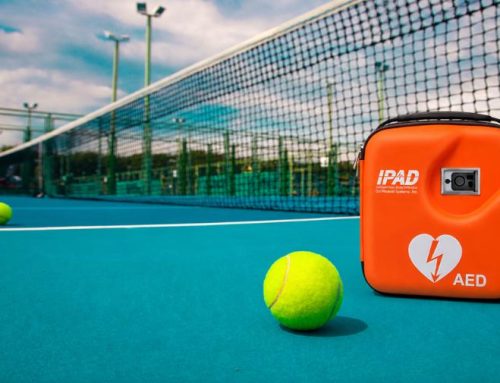
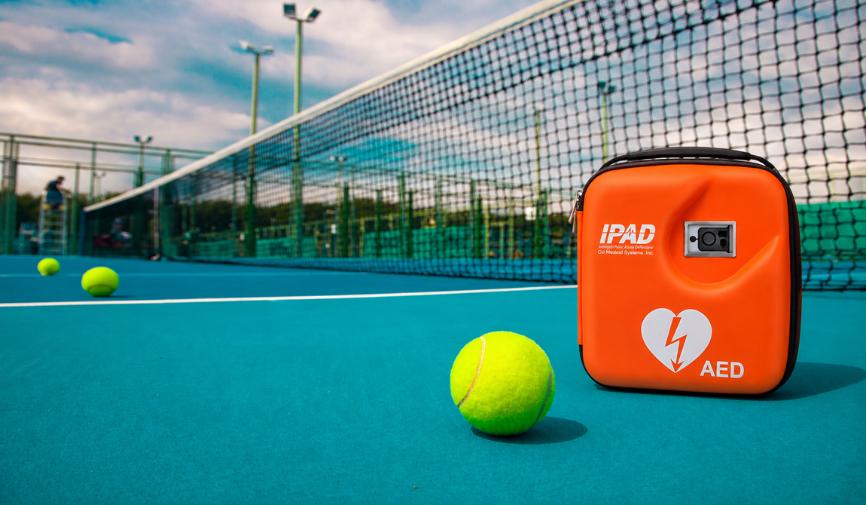
St John’s Ambulance points out that its event teams arrive with a first aid kit and a defibrillator as standard. Modern defibrillators like our own iPAD range talk the user through every step and won’t shock unless needed, so untrained members of the public genuinely can and do use them.
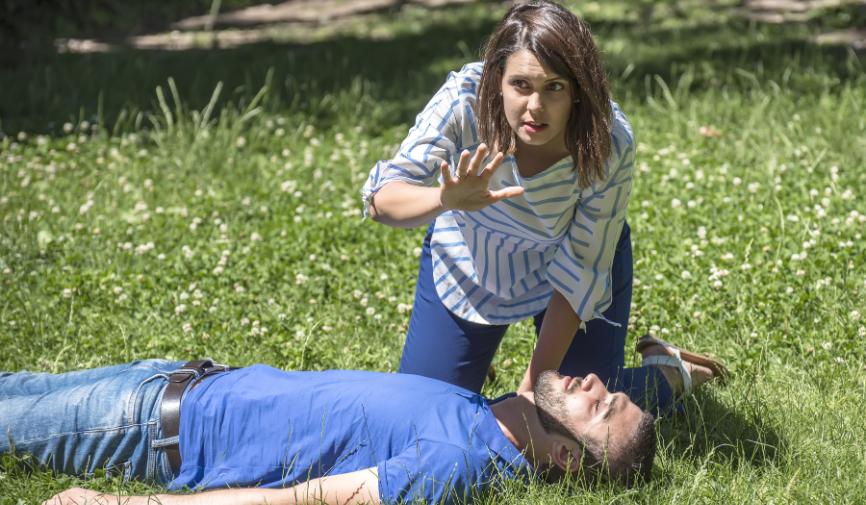
Access During Crowds And Site Layout
Think about how someone actually reaches the defibrillator once the field is full: whether marshalled routes allow an ambulance to drive in and whether the cabinet sits behind a fence line that gets locked at night.
Walk your site plan as the person running for the defibrillator, not just the person who drew the map.
What are the Defibrillator Requirements For Outdoor Events?
Outdoor conditions ask more of your equipment than an office corridor ever will.
Rain, dust, sun and sudden temperature swings all affect how reliably a device performs, which is why the defibrillator requirements for outdoor events differ from a standard indoor setup.
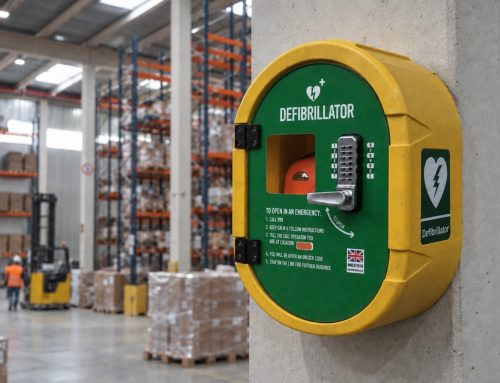
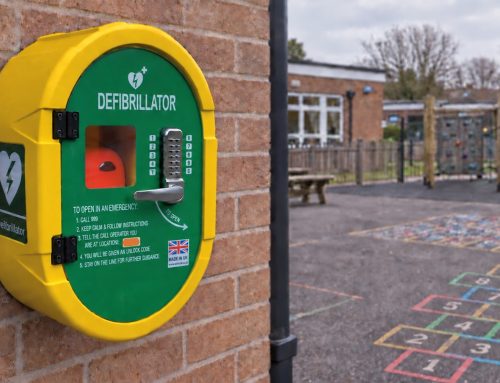
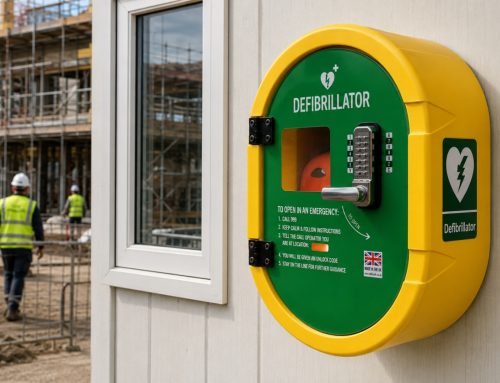
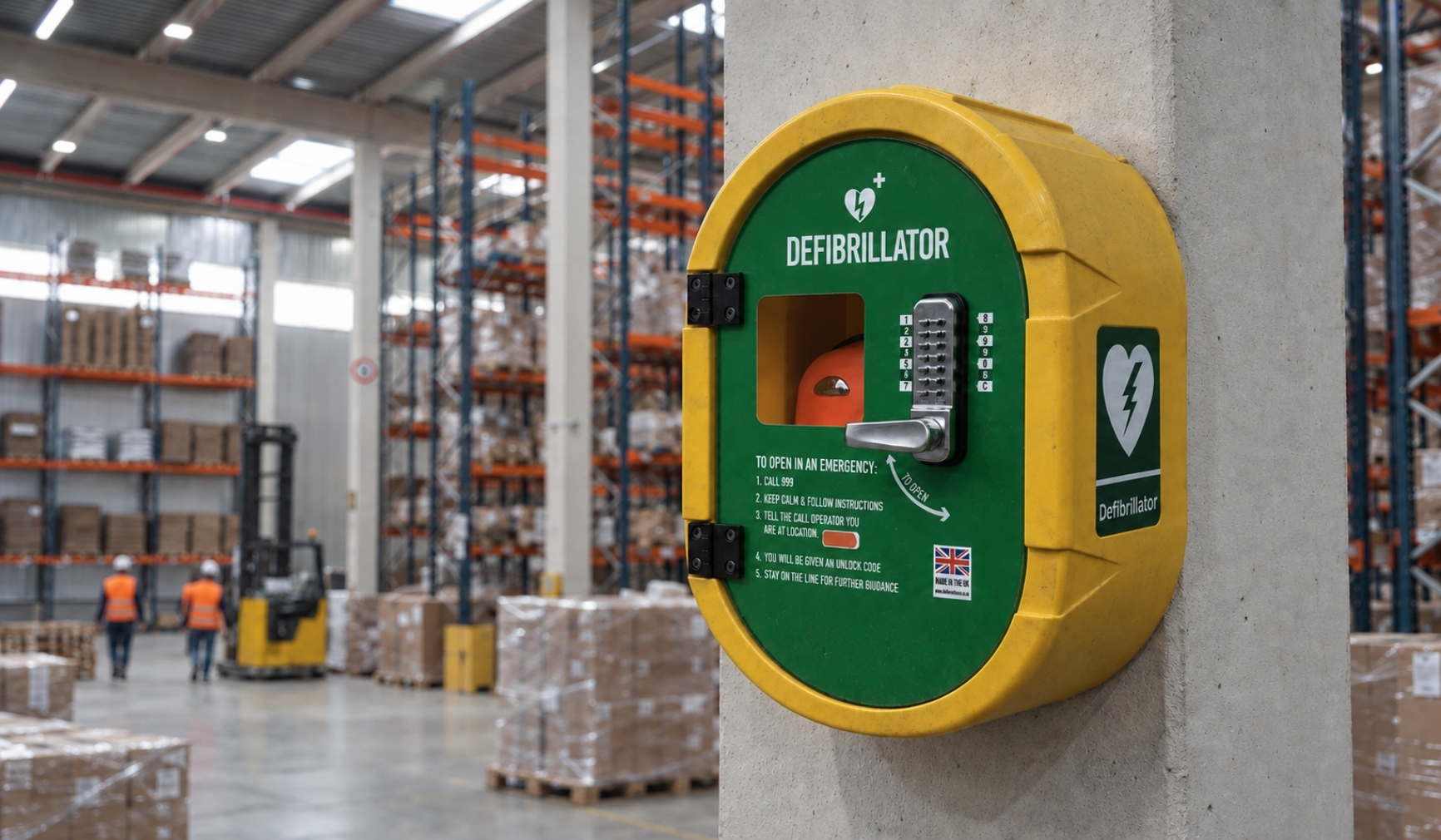
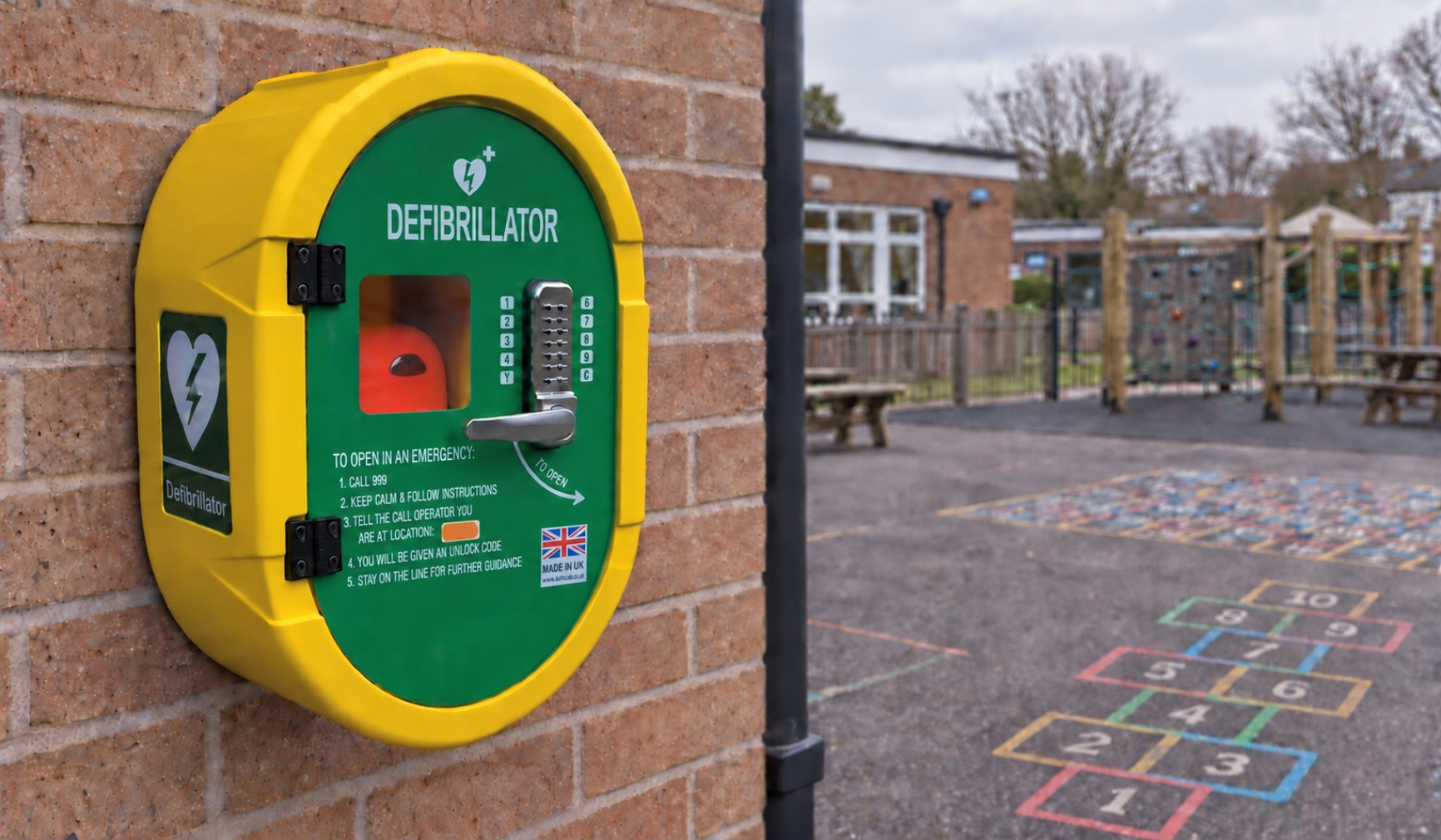
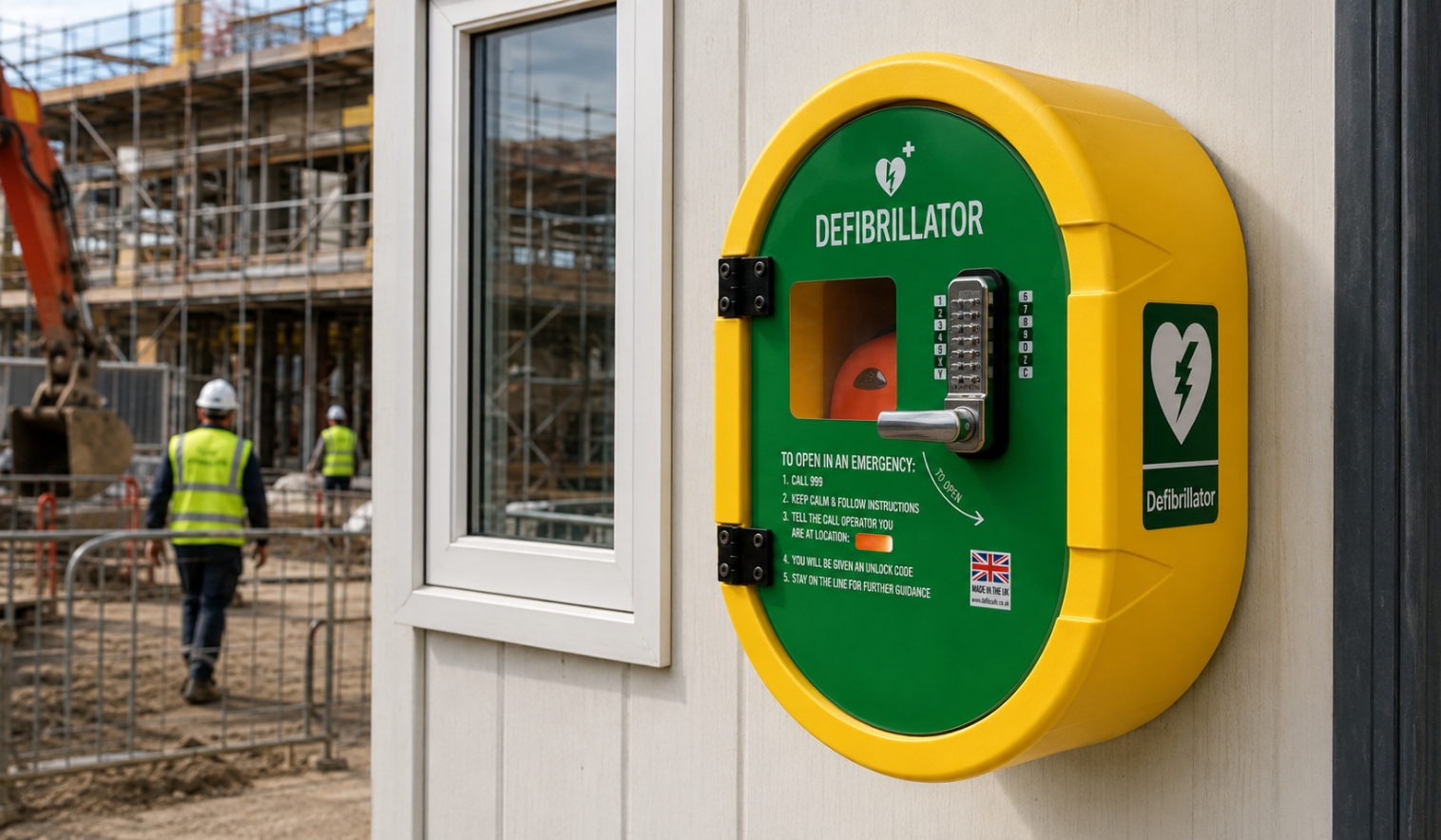
Look for a rugged, weather-rated cabinet like the DefibSafe 2 with a genuinely high IP rating, and check the battery will last the full build, event and breakdown, not just opening hours. For touring shows or multi-day festivals, a portable defibrillator that moves with your first aid team is often more practical.
Easy Defibrillator Checklist for Events
- Coverage: no part of the site more than a few minutes’ walk from a defibrillator; multiple zones (camping, car parks, family area) need more than one
- Position: first aid point, entrance, or near the stage; avoid tents that close early
- Access: unlocked cabinet wherever safely possible; wheelchair-reachable height
- Signage: standard green/white defibrillator symbol on flags, site maps, and in the programme
- People: a few staff/volunteers with basic CPR and defibrillation training on shift
- Routes: marshalled paths an ambulance can actually drive down; no locked fences in the way
- Weatherproofing: rugged, weather-rated cabinet or high-IP-rated portable case
- Battery: checked and charged for build-up, event, and breakdown
- Briefing: every steward knows defibrillator locations and the chain of survival: call 999 → CPR → Defibrillation
- After the event: check device, replace pads/battery if used, register on The Circuit if permanent
Print this on a card for the site office or event control point, and it’s ready to go.
Looking for Robust Defibrillators and Cabinets for your Summer Event?
At WEL Medical, we’ve helped organisers of all sizes, from grassroots football clubs to national events, put a proper plan in place, and we’re always happy to talk through what your site genuinely needs. You can find out more about our range of iPAD defibrillators by clicking here, or visit our DefibSafe page if you’re interested in a robust, weather-proof defibrillator cabinet.
If you have any questions, don’t hesitate to get in touch with us today.
FAQs
How many defibrillators does an event need?
It depends on site size and layout, not headcount. As a guide, no area of your event should be more than a few minutes’ walk from an AED, so larger sites with several zones usually need more than one device.
What are the defibrillator requirements for outdoor events?
Outdoor AEDs need a weatherproof, temperature-rated cabinet or a portable rugged unit; clear signage; unlocked access wherever possible; and a battery with enough charge for the full event, including build-up and breakdown.
Do I need a trained first aider to use a defibrillator at my event?
No. Modern AEDs guide the user with voice prompts and only deliver a shock when needed. Trained first aiders are still recommended for larger events, but anyone can use a defibrillator in an emergency.
Where should a defibrillator be placed at an outdoor event?
Position it somewhere highly visible and easy to reach, such as near the main stage, first aid point or entrance; in an unlocked cabinet, where possible; and signpost it clearly on maps and around the site.