Of the 30,000 out-of-hospital cardiac arrests that occur in the UK every year, fewer than 10% result in survival, the British Heart Foundation (BHF) reports.
But when someone suffers a sudden cardiac arrest, survival doesn’t just depend on what happens in the moment but on what was put in place beforehand.
Without rapid treatment, usually from public access defibrillators, the rate of survival falls quickly. For decades, defibrillators were mostly found in hospitals and ambulances, so life-saving treatment depended entirely on how quickly paramedics could reach the scene.
Today the picture looks very different, thanks to widespread adoption of public access defibrillation.
What is Public Access Defibrillation?
Public access defibrillation describes the placement of automated external defibrillators (AEDs) in public areas. The idea is that they can then be used by bystanders during a cardiac emergency.
These devices are designed to be:
- Easy to operate
- Safe for non-medical users
- Accessible in high-traffic locations
How do public access defibrillators work?
AEDs analyse a person’s heart rhythm, and if a life-threatening arrhythmia is detected, they deliver a controlled electrical shock. The aim is to restore a normal heart rhythm as quickly as possible.
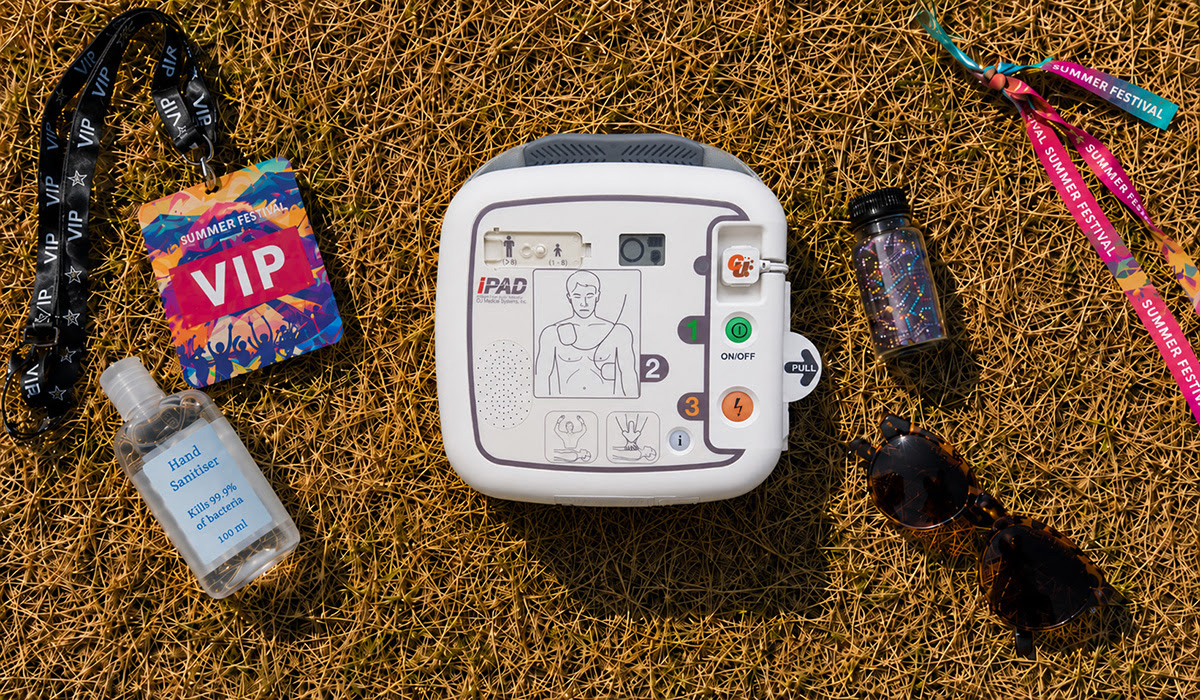
Modern devices guide users through the process using clear voice prompts and easy-to-understand visual instructions. Even someone with no medical background can therefore help during an emergency.
If a cardiac arrest happens outside of a hospital, the first few minutes are critical. Public access defibrillation is the best way of bridging the gap between the emergency itself and the arrival of professional medical staff like paramedics.
Why is Rapid Defibrillation so Important?
The effectiveness of defibrillation is closely tied to how quickly it can be delivered, but in practice, that timing is influenced by much more than medical knowledge.
Factors like building access, time of day, and whether a device is stored indoors or outdoors can all affect whether a defibrillator can be used when it’s needed.
NHS guidance continues to emphasise the importance of early intervention, but access remains one of the biggest barriers to achieving it consistently.
Despite clear guidance, the BHF found that defibrillators are only used in around 1 in 10 out-of-hospital cardiac arrests, with lack of access a clear factor.
To find out more about what to do in the critical first few minutes after a cardiac arrest, click here.
How Public Access Defibrillation Improves Survival Rates
In simple terms, public access defibrillation improves survival rates by reducing dependency on a single point of response.
Traditionally, cardiac arrest outcomes were closely linked to ambulance response times. These response times are still critical, but relying on them alone introduces unavoidable delays.
By distributing defibrillators across public and private spaces, communities create multiple points of intervention. This makes early treatment more achievable, particularly in busy environments or areas where immediate access to medical care is limited.
Treatment Happens Faster
Emergency services respond as quickly as possible, but it is often impossible for even the fastest response times to arrive within the ideal defibrillation window.
Having a public access defibrillator nearby allows treatment to begin immediately, rather than waiting for paramedics to arrive.
Bystanders Become First Responders
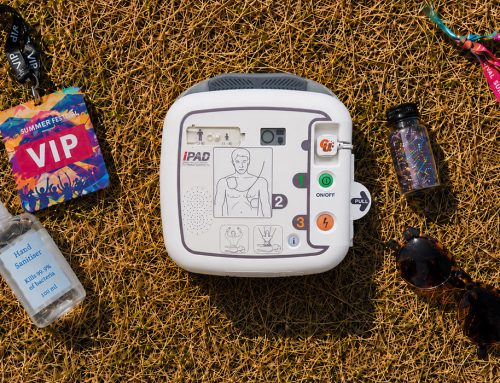
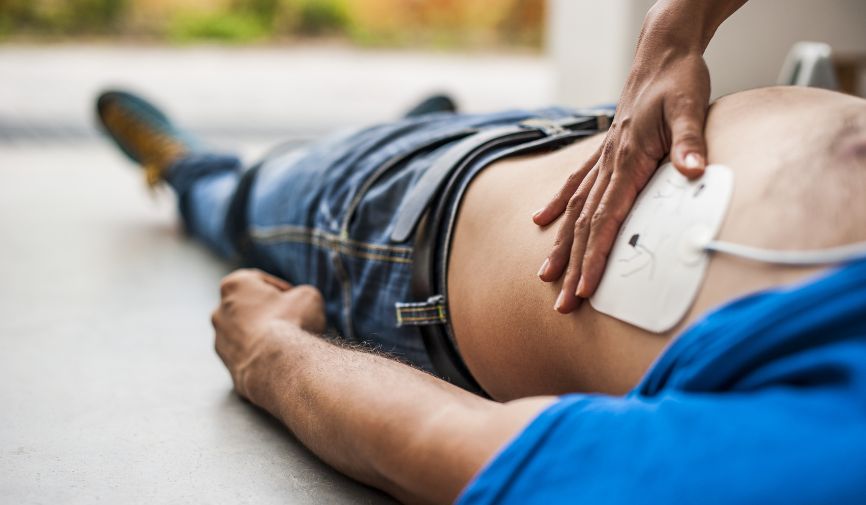
AEDs are specifically designed so anyone can use them. Clear instructions guide the user through every step, including:
- Placing the pads
- Analysing heart rhythm
- Delivering a shock if needed
This empowers members of the public to step in and help rather than feeling powerless in an emergency.
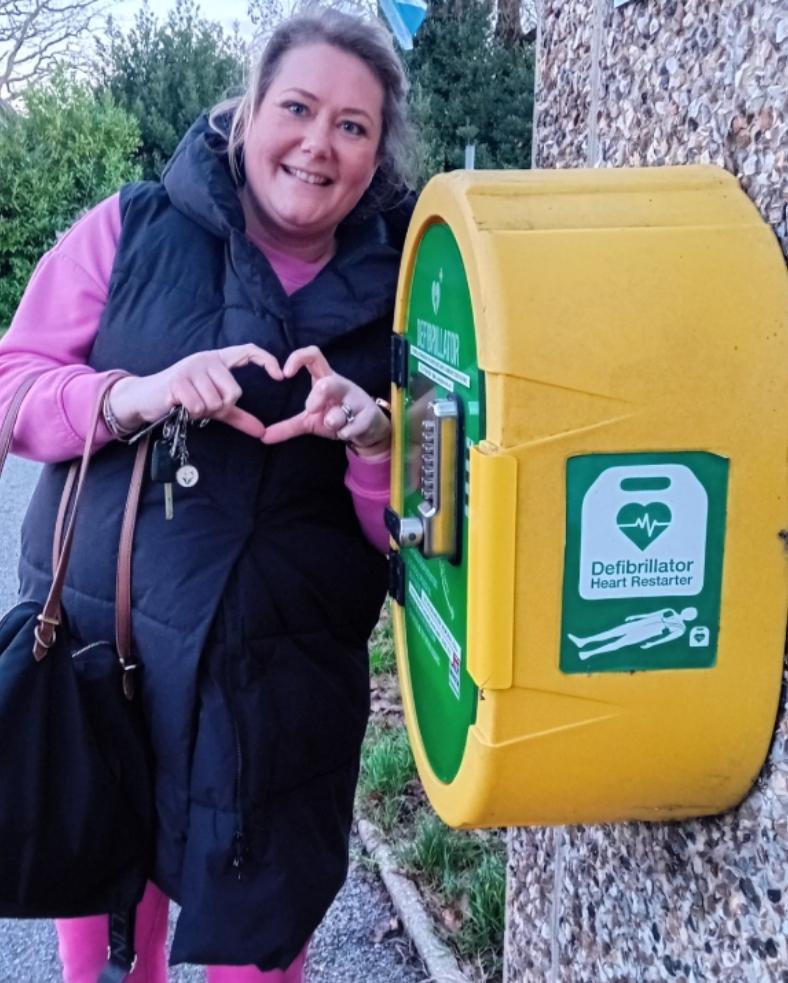
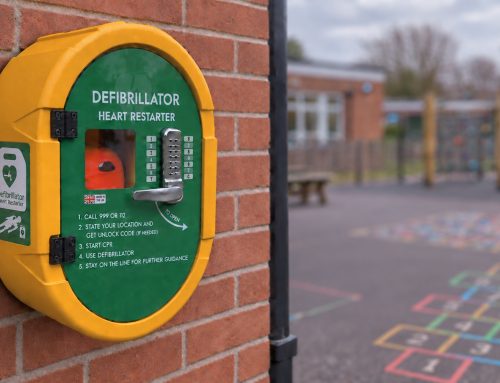
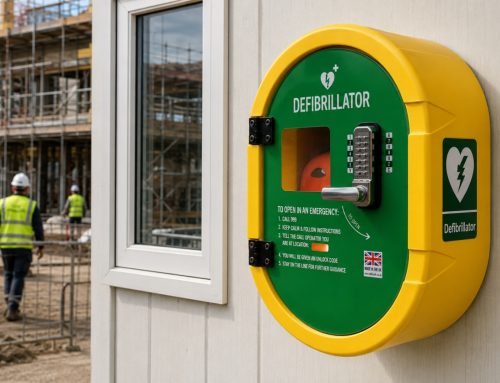
Above: A public access defibrillator stored in a DefibSafe cabinet.
Community Preparedness Improves
Public defibrillators often form part of wider community response programmes that include CPR training, awareness campaigns, and emergency planning.
The result is a stronger, more confident response when cardiac emergencies occur.
It is factors like these that show how public access defibrillation improves survival rates and why expanding AED availability remains such an important public health goal.
Want to Save Lives with Public Access Defibrillation?
At WEL Medical, we supply reliable, robust AEDs and secure DefibSafe outdoor cabinets that help communities save lives when every second counts. Get in touch to find out more.
Where Public Defibrillators Should Be Installed
One of the key considerations in emergency preparedness is where public defibrillators should be installed.
AED placement is at its most effective when devices are located in areas where cardiac arrests are more likely to happen or where large numbers of people gather.
High-Traffic Public Locations
Places with high footfall are strong candidates for AED placement, including:
- Train and transport stations
- Shopping centres
- Airports
- Stadiums and sports venues
Community Buildings
Community facilities also play a key role in expanding public access defibrillation coverage, with locations like:
- Village halls
- Libraries
- Leisure centres
- Religious and community hubs
Outdoor Public Spaces
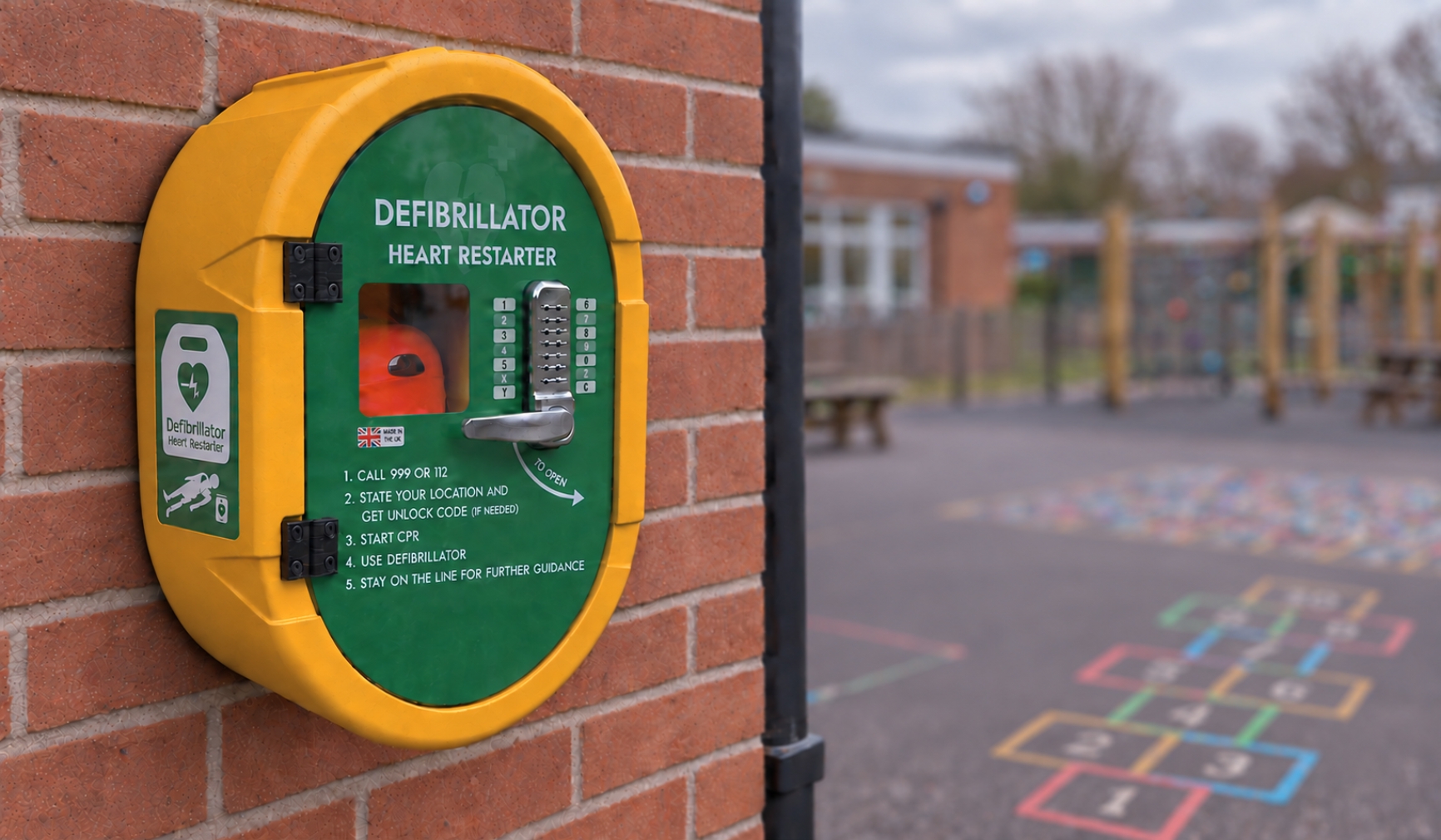
A growing number of communities now install AEDs in robust, weatherproof cabinets so they remain available at any time, for example:
- Public parks
- Town centres
- Residential neighbourhoods
Workplaces & Offices
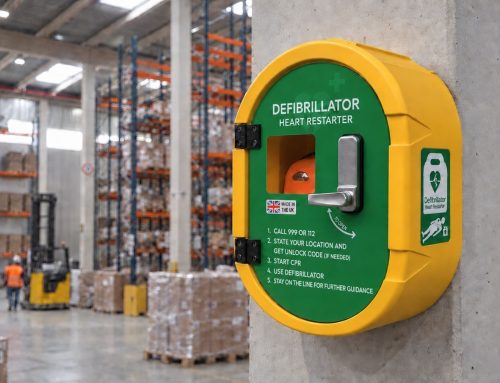
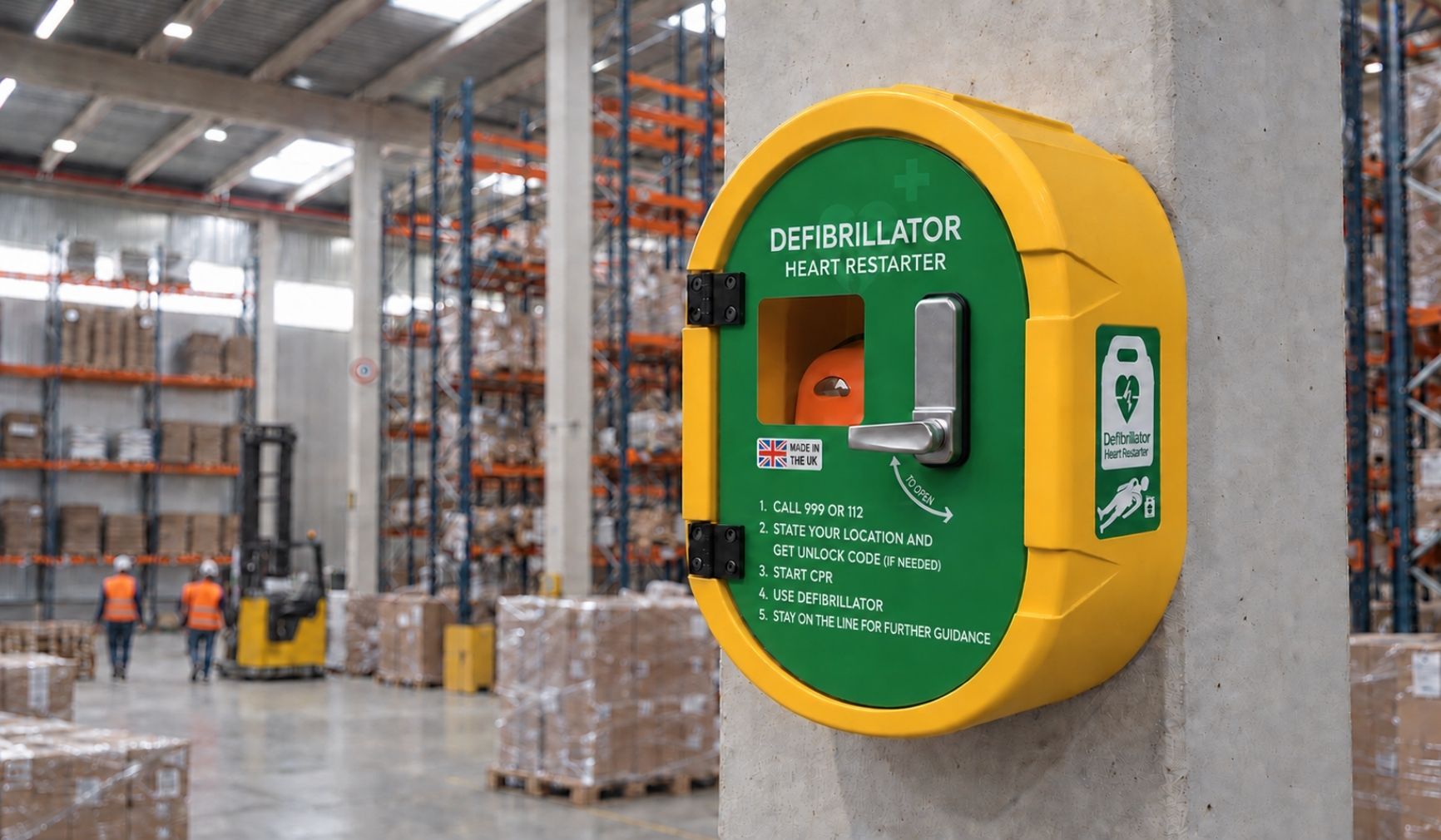
Larger workplaces like warehouses, major office complexes, or manufacturing plants can benefit greatly from having an on-site AED. Staff spend long periods in the same location, meaning a defibrillator can be quickly accessed if needed.
Public Awareness and Training are Vital
While defibrillation is critical in improving survival rates, the Resuscitation Council UK (RCUK) found that 61% of people are not confident enough to use an AED.
Beyond this, many people still don’t realise that they’re allowed to use a defibrillator or may feel unsure about intervening during an emergency.
Community education programmes help to address this by promoting CPR training with intuitive, easy-to-use equipment and raising awareness of AED locations and usage.
This plays a major part in encouraging people to act during emergencies. Because when communities understand how public access defibrillation improves survival rates, they are far more likely to support and make use of local AED initiatives.

Looking to Improve Survival Rates with Public Access Defibrillation?
At WEL Medical, we support organisations, businesses, and communities across the UK and Ireland in strengthening their emergency preparedness.
We are a specialist supplier of emergency medical equipment, including AEDs, the highly regarded Brayden range of CPR training manikins, and DefibSafe defibrillator cabinets.
Our team works closely with different groups to help identify the most effective public access defibrillator locations and ensure that equipment is installed and maintained correctly.
To find out more about how we can support you, get in touch with us today.
FAQs
What is public access defibrillation?
Public access defibrillation refers to the placement of automated external defibrillators (AEDs) in public spaces so members of the public can use them during cardiac emergencies before professional help arrives.
How does public access defibrillation improve survival rates?
Early defibrillation significantly increases the chance of survival during cardiac arrest. When AEDs are available in public locations, treatment can begin within minutes, greatly improving survival outcomes.
Where should public defibrillators be installed?
AEDs should be placed in locations with high footfall or where people regularly gather. This includes transport hubs, sports venues, workplaces, community buildings, and public outdoor spaces.
Are public defibrillators safe to use without training?
Yes. AEDs are designed for public use and provide clear voice instructions that guide users through the entire process. The device will only deliver a shock if it detects a rhythm that requires defibrillation.