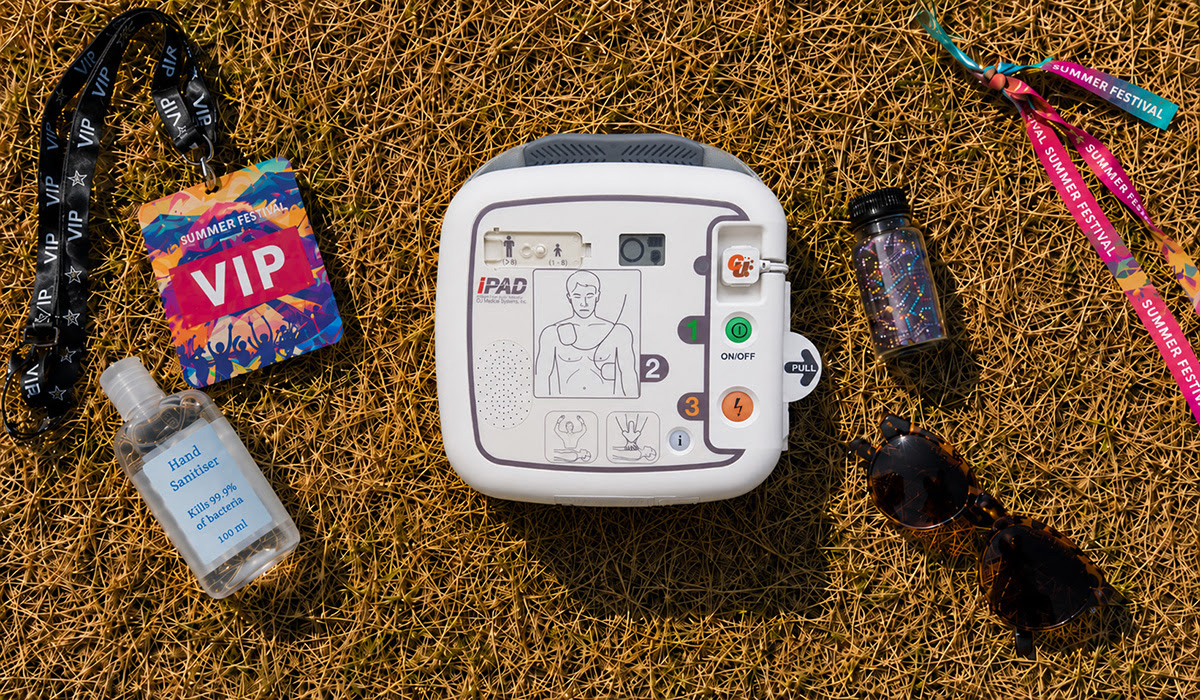

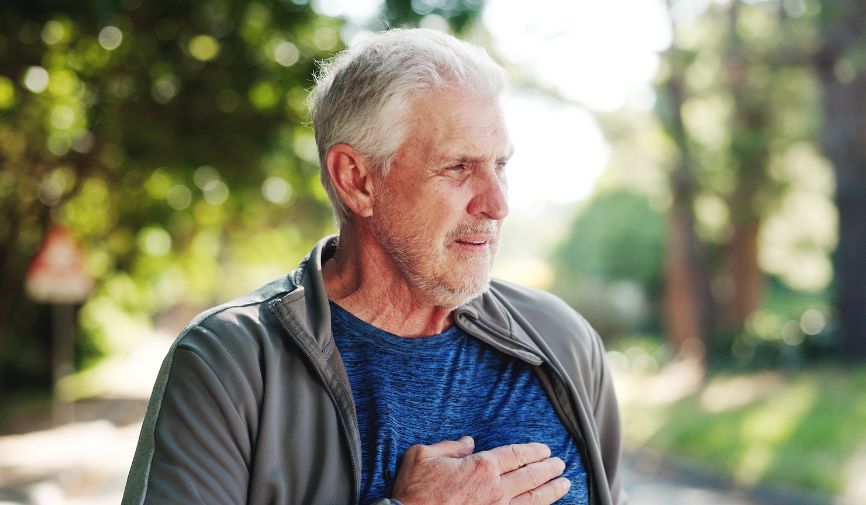
Around two-thirds of cardiac arrests happen in men, with those over 65 being at greatest levels of risk.
For Men’s Health Week 2026, defibrillator access in community spaces needs to be front and centre of the conversation. For many victims, it’s the difference between life and death.
The communities where men live, work, and socialise have a profound role to play in survival outcomes.
Why Cardiac Arrest Risk in UK Men Is Significantly Higher
The Key Factors Driving Higher Cardiac Arrest Risk in UK Men
Men are more likely to develop coronary artery disease at a younger age and more likely to carry undetected risk factors like high blood pressure, high cholesterol and type 2 diabetes and are less likely to seek medical advice before symptoms become serious.
Physically demanding work, shift patterns, high-stress environments, and a culture of “just getting on with it” come together to create conditions where sudden cardiac arrest is more likely and less anticipated.
Ventricular fibrillation, which is the chaotic heart rhythm that causes most sudden cardiac deaths, is also more prevalent in men, and it is precisely the condition that an automated external defibrillator is designed to treat.
Is Your Community AED Provision Up to Scratch?
If you manage a community venue, sports club, or council-run facility, and you’re unsure whether you’ve got adequate defibrillators for those community spaces, then we can help. Our range of iPAD defibrillators and DefibSafe cabinets ensure that reliable, easy-to-use AEDs are always on hand. Get in touch to find out more.
Often Cardiac Arrests in Men Don’t Carry Warning Signs
Many conditions that lead to sudden cardiac arrest produce no symptoms at all.
A man can feel entirely well, pass a basic health check, and still be living with a condition that places him at serious risk.
This is not a reason to panic. It is, however, a reason to ensure the spaces men occupy every day are equipped with a public access defibrillator.
What Effective Community AED Provision Looks Like in Practice
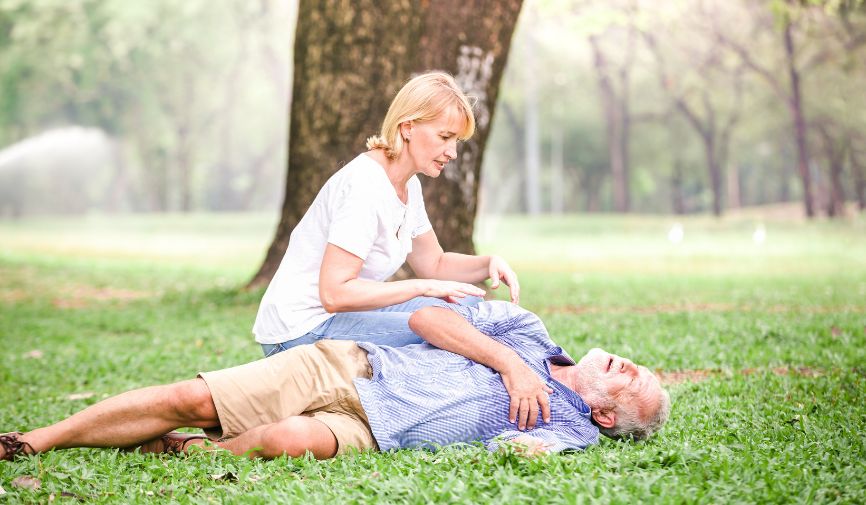
Having well-placed, reliable defibrillators for community spaces determines response times, and response times are a key factor in determining cardiac survival.
In many areas, ambulance response times can exceed the critical five-minute window. This means that having a defibrillator for these community spaces isn’t a backup plan; it’s the only plan.
Modern AEDs are designed to be used by anyone.
They deliver clear voice prompts, analyse the heart’s rhythm automatically, and will only deliver a shock if one is needed. Bystander CPR combined with early defibrillation is the single most effective intervention for out-of-hospital cardiac arrest.
Choosing the Right Defibrillator for Your Community Space
Not every defibrillator is built for the environments where communities actually gather. Before selecting an AED for a public or outdoor setting, there are three practical questions worth asking:
- Will it survive the environment?
- Will a panicked bystander be able to use it under pressure?
- Will it work for both adults and children?
What to Look for in a Community AED
For outdoor or exposed locations like sports pavilions, parks, car parks, and industrial sites weather resistance is non-negotiable.
Look for a device with an IP66 rating, offering full protection against the elements.
Voice guidance that adjusts automatically to ambient noise levels matters too, because a cardiac arrest at a noisy sports event or busy workplace is a very different environment to a quiet office corridor.
And if your venue is used by families or young people, the ability to switch between adult and paediatric modes quickly can be critical in those first chaotic seconds.
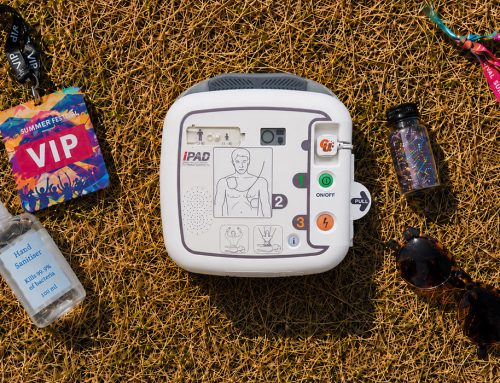
Our iPAD SPR ticks all of these boxes.
What to Look for in a Defibrillator Cabinet
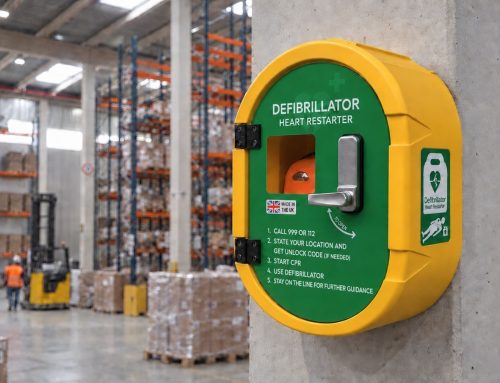
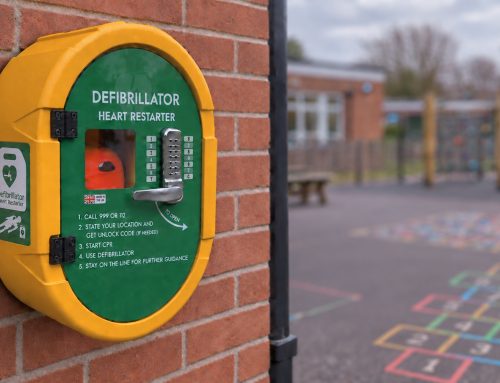
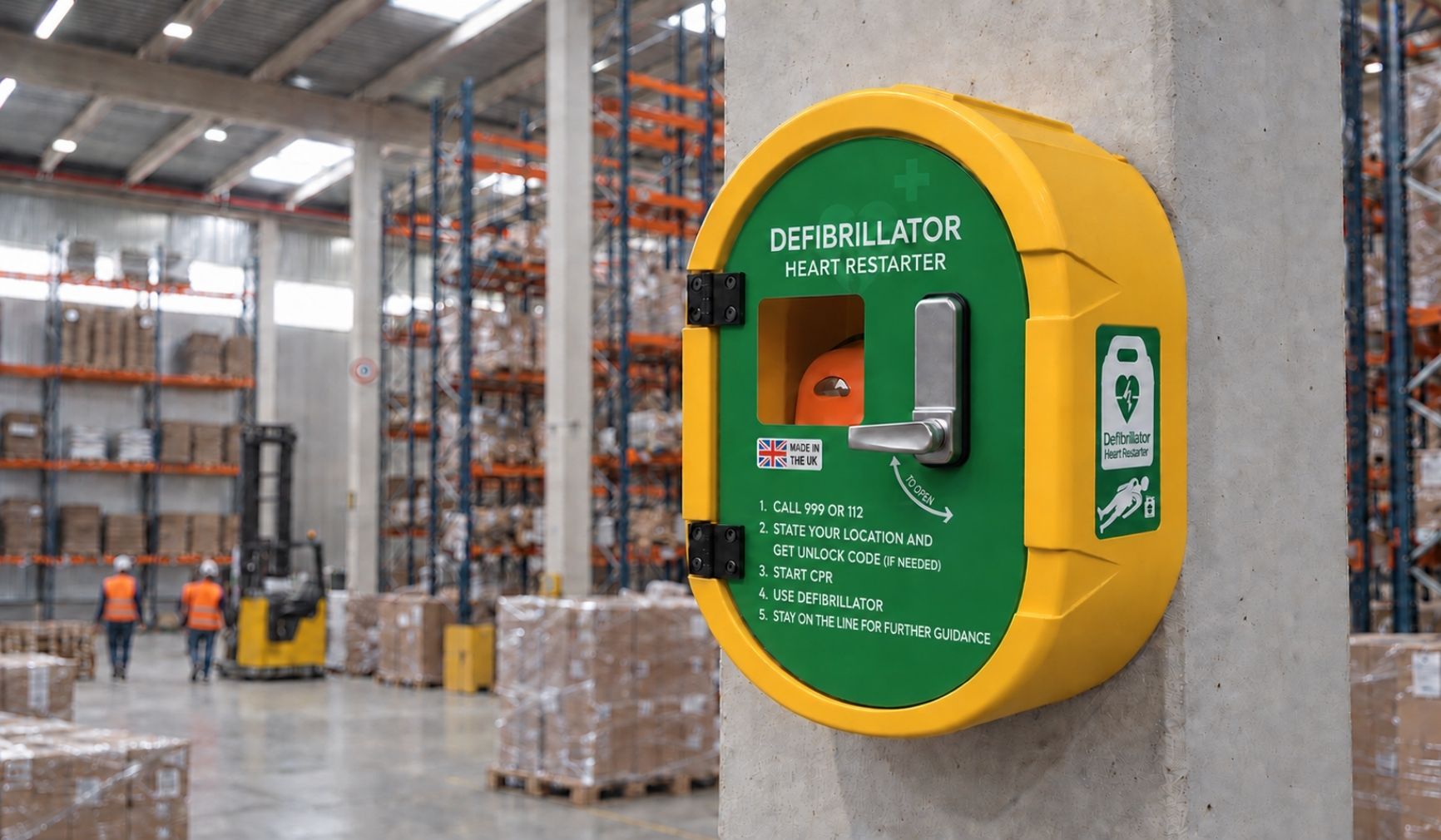
The right defib cabinet is a crucial part of any community AED provision. An AED stored in an inadequate cabinet is an AED that may not work when you need it.
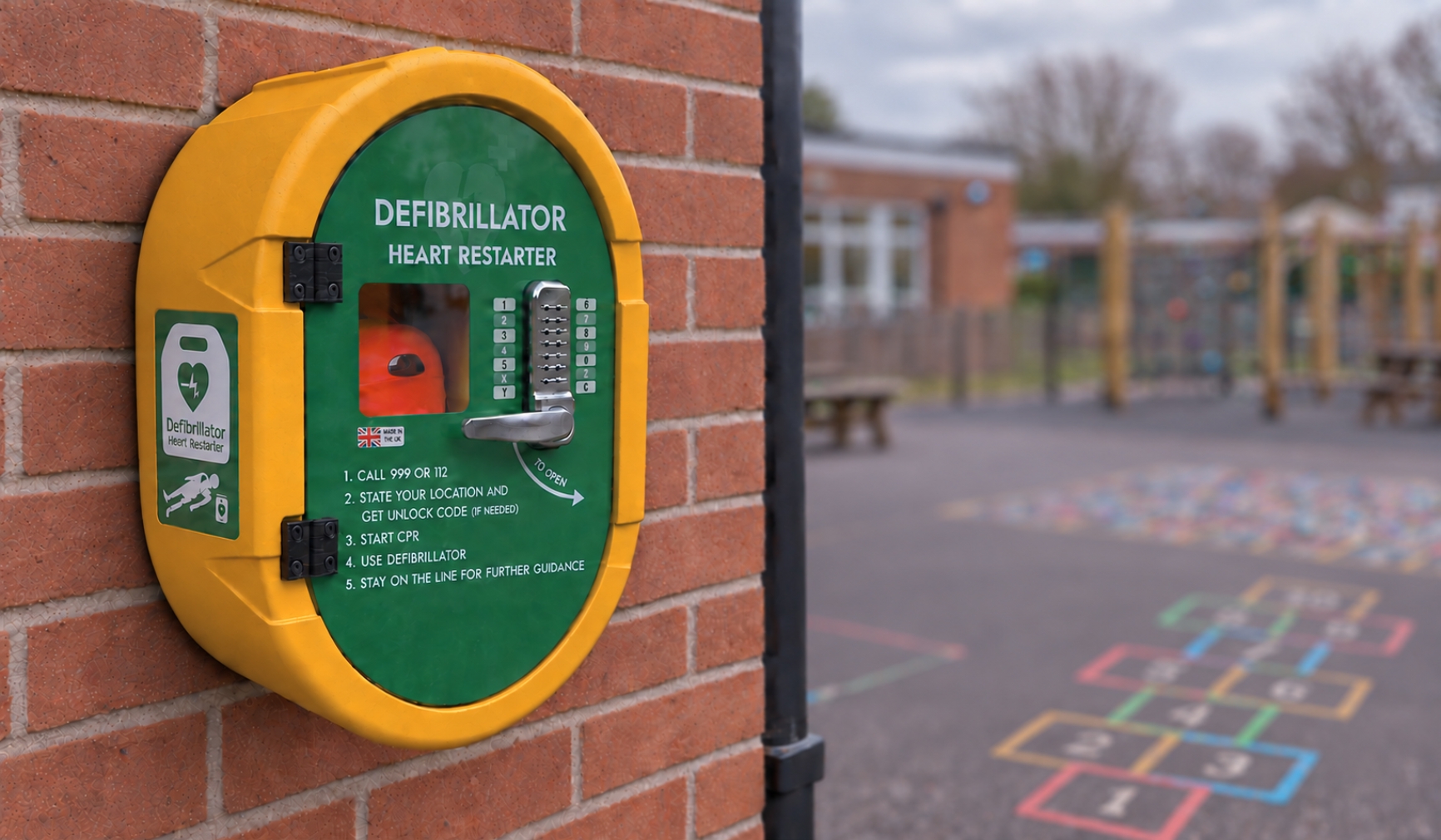
The cabinet should match the device’s weather protection rating, resist UV degradation over years of exposure, and offer a locking mechanism that deters tampering without slowing down access in an emergency.
A PIN-code lock that can be shared with local first responders and registered on the national defibrillator network is the practical standard for most community settings.
The Defibsafe 2 is a great example of a defibrillator cabinet that ensures your AED is always ready for use.
Looking for a Defibrillator for your Community Space This Men’s Health Week?
Men’s Health Week is a great chance for councils, community organisations, and health and safety leads to ask whether the spaces they manage are equipped to save a life.
We work with community organisations, local authorities, sports clubs, and businesses across the UK and Ireland to make sure that public access defibrillators are in the right places, properly protected, and understood by the people around them.
If you’d like to talk through your community AED provision needs or request a quote, then get in touch today. Our team is ready to help.
FAQs
Why is cardiac arrest risk in men in the UK so much higher than in women?
Men are around three times more likely to suffer sudden cardiac arrest due to higher rates of coronary artery disease, undetected risk factors, and a tendency to delay seeking medical help, particularly between 35 and 50.
Can an untrained bystander safely use a defibrillator for community spaces?
Yes. AEDs are designed for untrained bystanders. The device gives voice instructions, analyses heart rhythm automatically, and only delivers a shock when necessary. Anyone acting promptly cannot cause harm.
How many AEDs does a venue need for adequate community AED provision in the UK?
One AED should be accessible within three minutes of any point on site, roughly 100 metres indoors. Large, multi-storey, or outdoor venues will typically need more than one device.