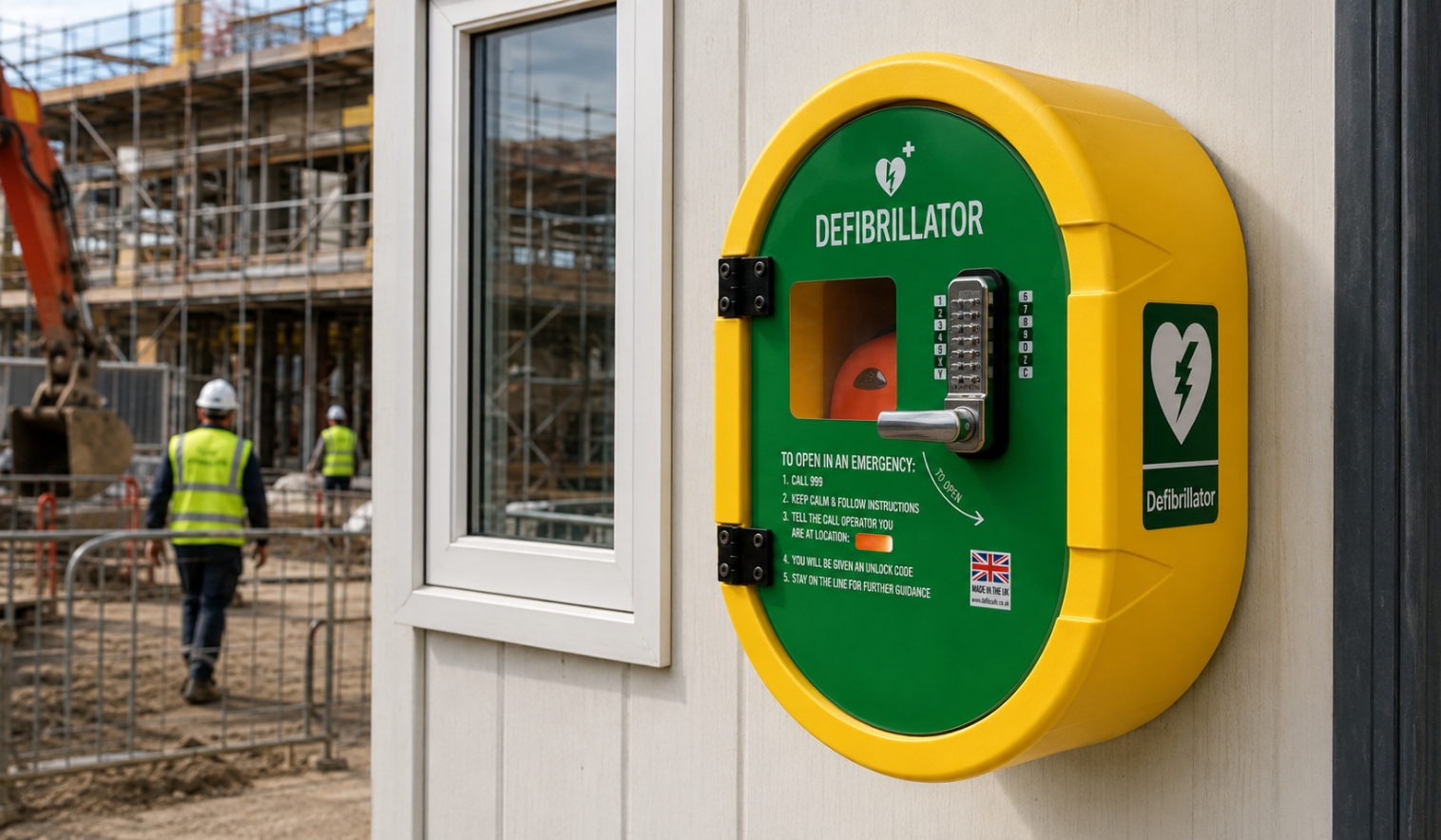
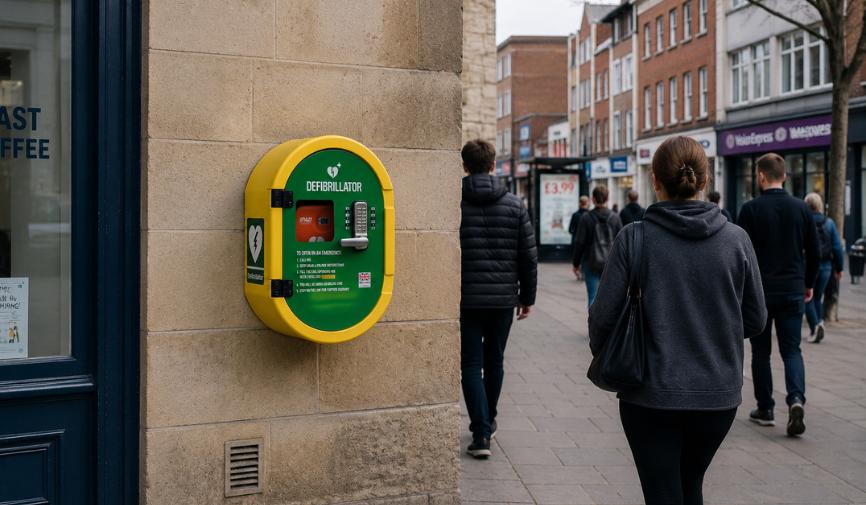
Right now, wherever you are, if someone collapsed beside you in the next five minutes, could you put your hands on a public access defibrillator in time?
If you find yourself answering “I think so, maybe”, then you’re far from alone. And that uncertainty is part of why, every year in the UK, fewer than one in twelve people survive an out-of-hospital cardiac arrest.
The issue isn’t exclusively that defibrillators don’t exist; it’s also that people don’t know where their nearest defibrillator is.
Why Location Matters in a Cardiac Emergency
Every minute without a public access defibrillator costs lives.
When the heart goes into a life-threatening rhythm, blood stops reaching the brain within minutes. This means that every minute without CPR and defibrillation greatly reduces the chance of survival.
Ambulance response times in the UK are coming down, which is excellent news for cardiac arrest survival rates. However, there is still some distance to go, with an average of around eight minutes for Category 1 response times in urban areas and often far longer in rural settings.
For a lot of victims, that gap is too wide. A public access defibrillator, placed in the right location and known to the community, is the best way to bridge the gap.
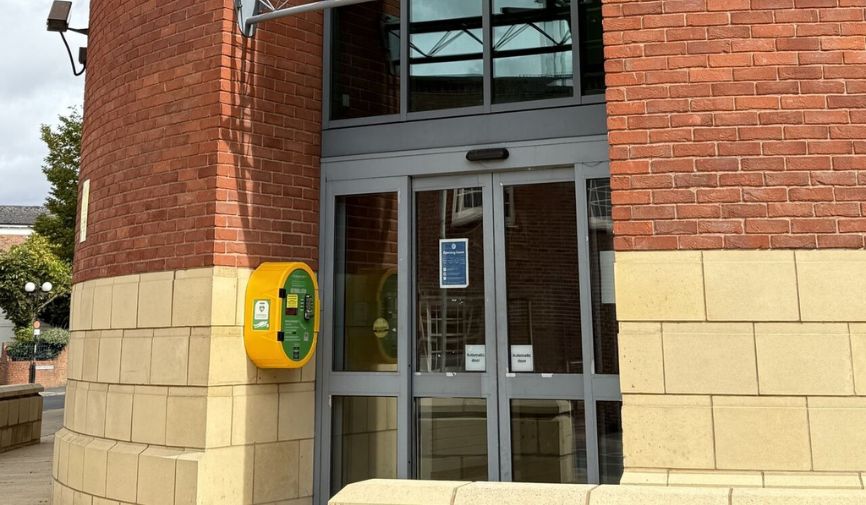
What is a Defibrillator Desert?
In the UK, a defibrillator desert is an area (either urban or rural) where there is no publicly accessible AED within a practical response distance.
It’s been the case for a while now that defibrillator coverage across the UK is deeply uneven. Some high streets have multiple devices, while some housing estates, rural villages, and industrial areas have none.
A lot of workplaces, pubs, schools, and other community centres now have defibrillators. This is an excellent step forward, but a defibrillator that’s inside a locked building overnight does not provide adequate, round-the-clock community protection.
Looking for a Robust Public Access Defibrillator for UK Communities?
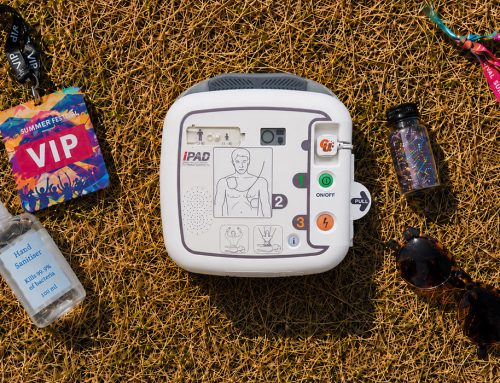
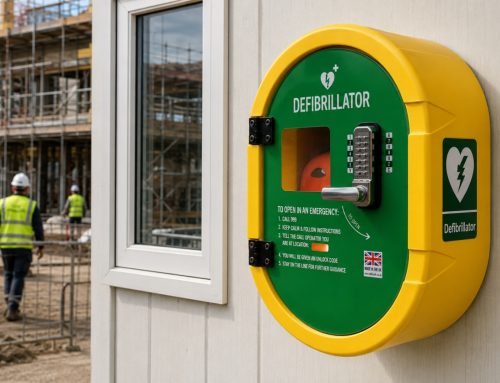
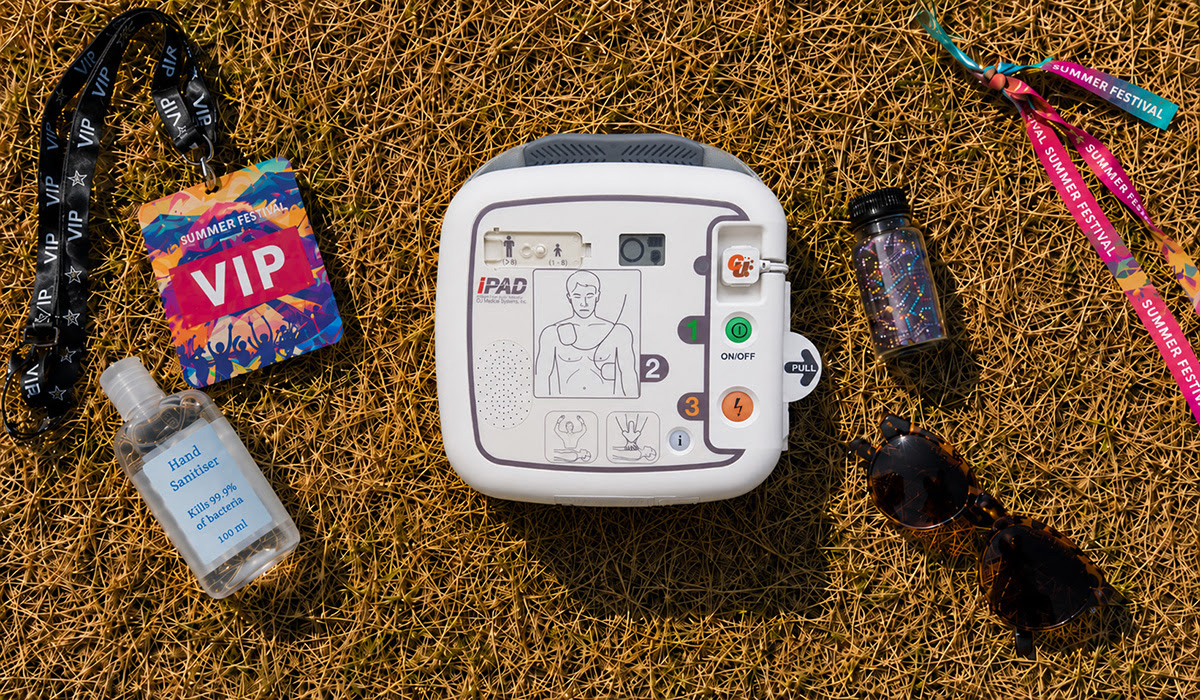
The iPAD SPR defibrillator is durable, reliable, and easy to use. With an IP66 rating, it is capable of withstanding the harsh British weather, and it features step-by-step audio guidance that talks the user through emergency defibrillation.
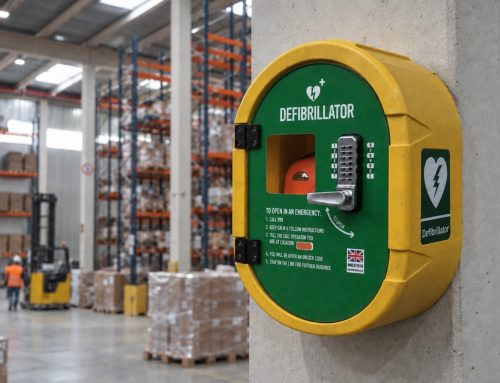
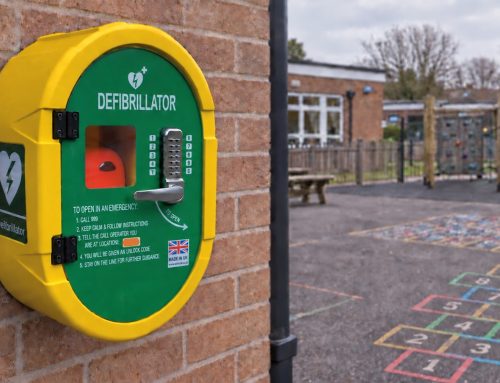
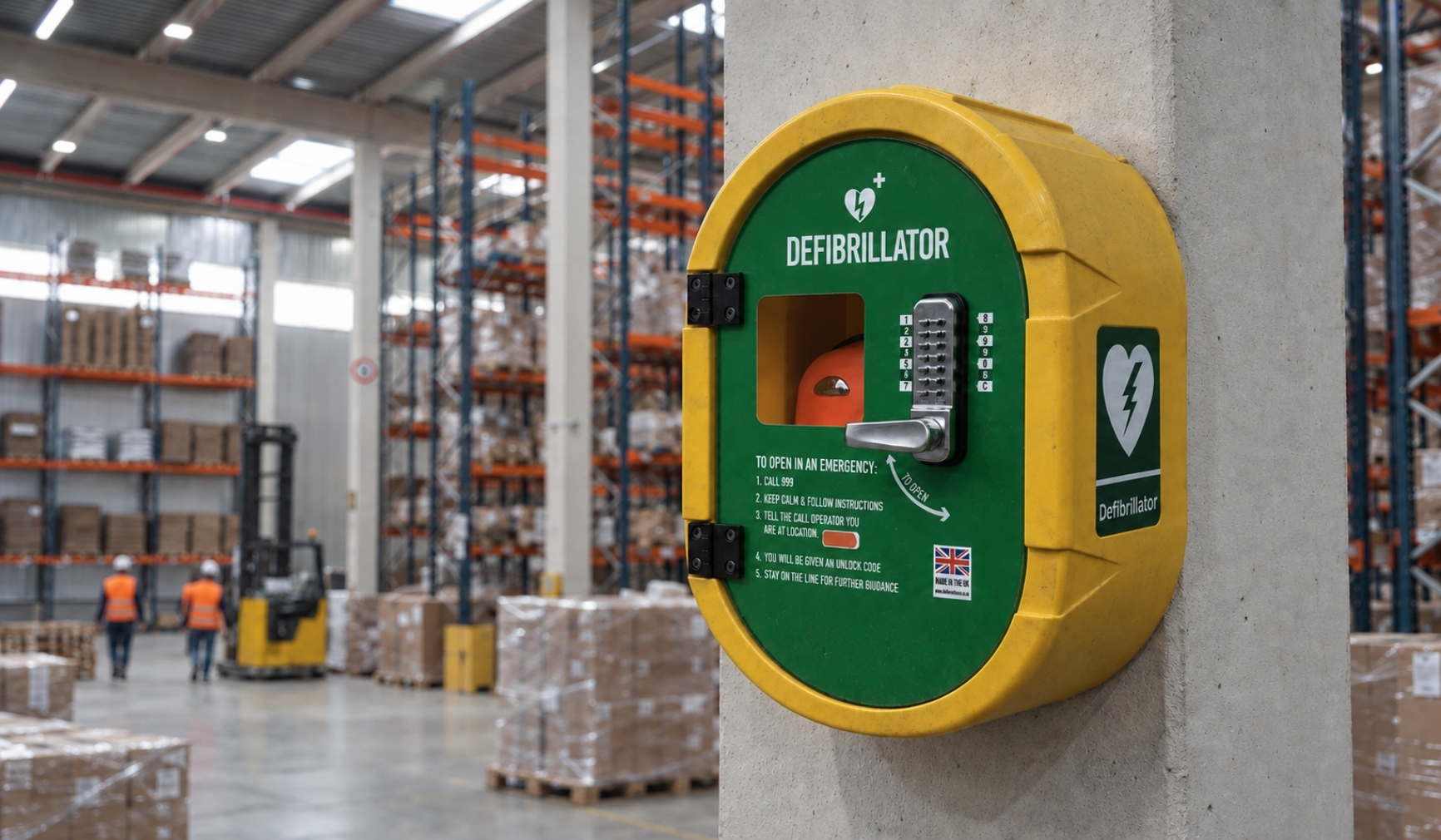
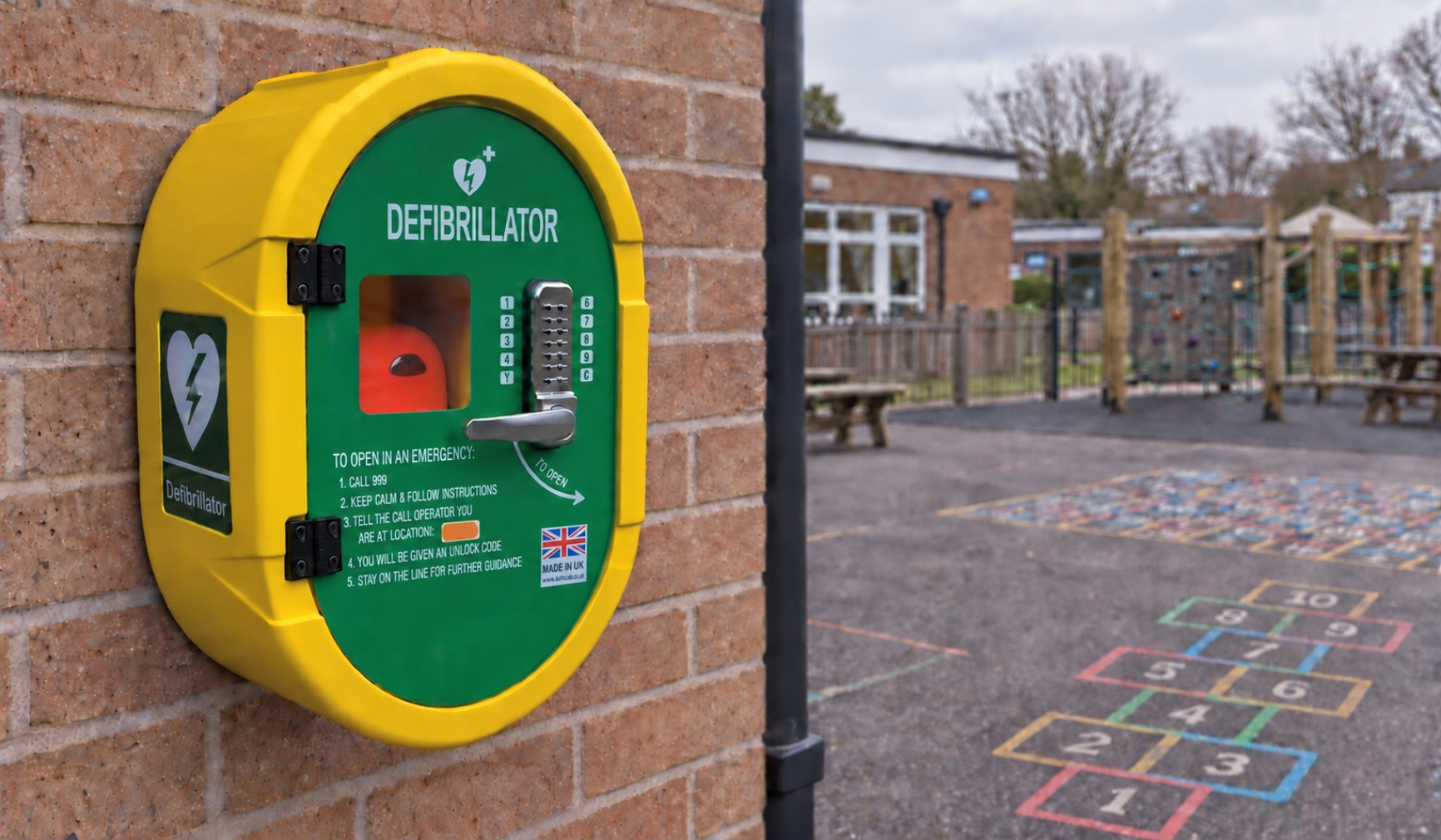
Paired with a lockable DefibSafe AED cabinet, it creates a public access defibrillator solution that keeps your community safe, no matter the conditions. Get in touch to find out more.
Registering Your Defibrillator on the Circuit is Almost as Important as Installing It
An unregistered public access defibrillator is invisible in any emergency where it’s not in immediate visual sight. The Circuit is an initiative set up by the British Heart Foundation, and its aim is to create a database of public access defibrillators across the UK. This means that, during a cardiac emergency, the 999 call handler will be able to direct you to the nearest accessible defibrillator.
If your community, business park, sports club, or council building already has a defibrillator, check whether it is registered on The Circuit.
A device that is not registered cannot be found by ambulance services during a 999 call no matter how well-placed it is physically.
Registration is free at thecircuit.uk and takes only a few minutes.
How to Find a Defibrillator Near You
If you’re wondering: where is my nearest defibrillator?’ then the most reliable way to find an answer is through The Circuit.
If it’s an emergency, then a 999-call operator will be able to guide you to the nearest accessible defibrillator.
If it’s not an emergency, and you’re just looking to familiarise yourself with your nearest AED, then you can visit defibfinder.uk and enter your postcode or town. The map will then show you where your nearest defibrillator is. It’s worth noting that this is not designed for emergency use.
The Circuit advises that, in the case of an emergency, you should always call 999 as soon as possible. You can then be guided to a defib near you.

What to Do if Your Area is a Defibrillator Desert?
There are a few practical ways to get a public access defibrillator installed in your area.
- Talk to your local council. Many local authorities hold ring-fenced public health funding. A formal request backed by coverage gap data carries real weight. Some councils have run their own AED programmes; others can direct you to grant funding routes.
- Apply for British Heart Foundation support. The BHF continues to signpost funding for communities wanting to install a public access defibrillator. Funding opens in July 2026, and their website is a practical first port of call.
- Use community fundraising. Sports clubs, village halls, faith groups, and civic organisations have all funded AEDs through community appeals. The cost is far more achievable than most people assume, particularly when a community comes together around a shared goal.
Does Your Community Have a Defibrillator Desert?
If your area has a coverage gap, we can help you to choose the right equipment to fill it properly.
A good public access defibrillator guides any bystander through every step without any training required. The cabinet makes just as much difference as the device, too. For anything stored outdoors, you need a weather-resistant cabinet that can handle British conditions.
Both our DefibSafe cabinet and our iPAD SPR defibrillator carry an IP66 rating, which is the highest available. The cabinets can also be PIN-protected so they’re secure. A unique location code gives emergency call handlers the ability to tell you the PIN, so there’s no delay in the case of emergency.
Get in touch with our team today, and let’s make your community cardiac-ready.
FAQs
Where is my nearest defibrillator in the UK?
Visit thecircuit.uk and enter your postcode. The Circuit shows all registered public access defibrillators in the UK near you, with 24-hour access details. In an emergency, 999 operators can also direct you to the nearest device.
What is a defibrillator desert?
In the UK, a defibrillator desert is an area with no publicly accessible AED within a survivable response distance. Rural and deprived urban areas are most commonly affected.
Can anyone use a public access defibrillator in the UK?
Yes. AEDs are designed for untrained bystanders. The device analyses heart rhythm automatically and only shocks when clinically necessary. Voice prompts guide every step.
How can I find a defibrillator near me?
Use thecircuit.uk and enter your postcode. The national map shows every registered AED nearby. In an emergency, call 999 and the operator will locate your nearest device.