


When Jamie Rees went into cardiac arrest on New Year’s Day 2022, police officers reached him before the ambulance did, but their car had no automated external defibrillator (AED).
His mum, Naomi, is now asking Parliament to make defibrillators in police cars mandatory across the UK, and WEL Medical is backing her petition. As the UK distributor of the iPAD AED range used by NHS ambulance services, we believe those officers who are so often first on scene should have one to hand.
Blog Summary
- Jay was 18 when he went into cardiac arrest, and police reached him before the ambulance.
- Fewer than 1 in 10 UK police response vehicles carry a defibrillator as standard.
- Officers are trained in CPR and AED use and are often first to reach a cardiac emergency.
- The OurJay petition asks for defibrillators to be mandatory in every police response vehicle.
- At 10,000 signatures the government responds, and at 100,000 Parliament considers a debate.
Trained, First on Scene and Ready to Act
Police officers learn CPR and defibrillator use in basic training and often reach a cardiac arrest first. A defibrillator in the car means they can act the moment they arrive. Sign the petition and find out more about the OurJay Foundation.

Jay’s Story
Jay was an 18-year-old Rugby College student. In the early hours of New Year’s Day 2022, he went into cardiac arrest at a friend’s house in the Hillmorton area of Rugby. His friends called 999 and gave CPR, but the nearest defibrillator was reportedly locked behind school gates.
Jay’s friends called 999 and started CPR straight away. The police officer who reached him first had no defibrillator in their vehicle, and the nearest one was locked behind a school door. They waited just over 17 minutes for an ambulance to arrive.
Paramedics restarted Jay’s heart, but he died in hospital on 5 January 2022. Jay was a registered organ donor, and his organs helped save five other lives; his family has since set up the OurJay Foundation in his memory.
Do Police Cars Carry Defibrillators?
Most do not. An all-party parliamentary group survey of police forces found fewer than 10% of police response vehicles carry a defibrillator as standard, a figure raised in the Westminster Hall debate led by Steve Darling MP on 8 July 2026.
In a written response on 27 April 2026, Policing Minister Sarah Jones said AEDs in police vehicles are currently an operational matter for forces to decide locally. Later, in the July debate, she said the Home Office had funded 750 defibrillators for police the previous year, so there is a suggestion of progress being made.
Forces Already Equipping Their Vehicles
Some police forces have acted, often with charity support:
- Northumbria Police became the first UK force to put a defibrillator in every response car in June 2025, after the Red Sky Foundation funded 154 devices. According to Red Sky’s founder, the defibrillators were used 15 times in their first two weeks, and lives were saved.
- Durham Constabulary followed in October 2025, fitting 140 defibrillators across its response and neighbourhood vehicles. They were funded by Red Sky, which campaigns alongside OurJay for Jamie’s Law. In May 2026, Durham officers and bystanders used CPR and a defibrillator to save a man’s life in Consett before the ambulance arrived.
- OurJay donated five defibrillators to Warwickshire Police in December 2025, bringing the force’s total in police vehicles to 33.
- In March 2026, OurJay donated defibrillators to West Midlands Police for all its police drone vehicles and several response cars in Sandwell.
- Police officers are already proven lifesavers as first responders. In Bedfordshire, Cambridgeshire and Hertfordshire, officers alerted to nearby cardiac arrests have helped restart more than 100 hearts.
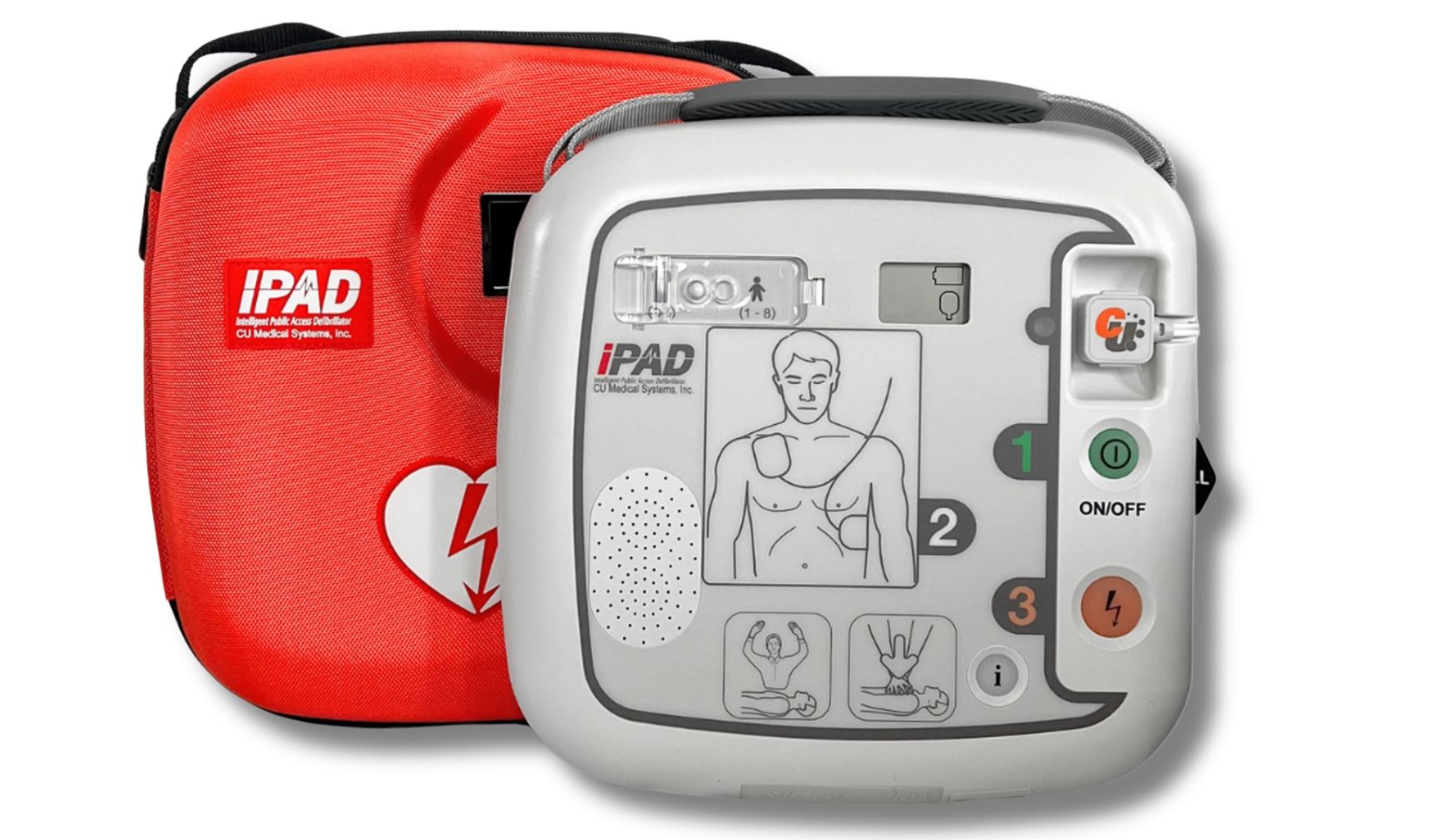
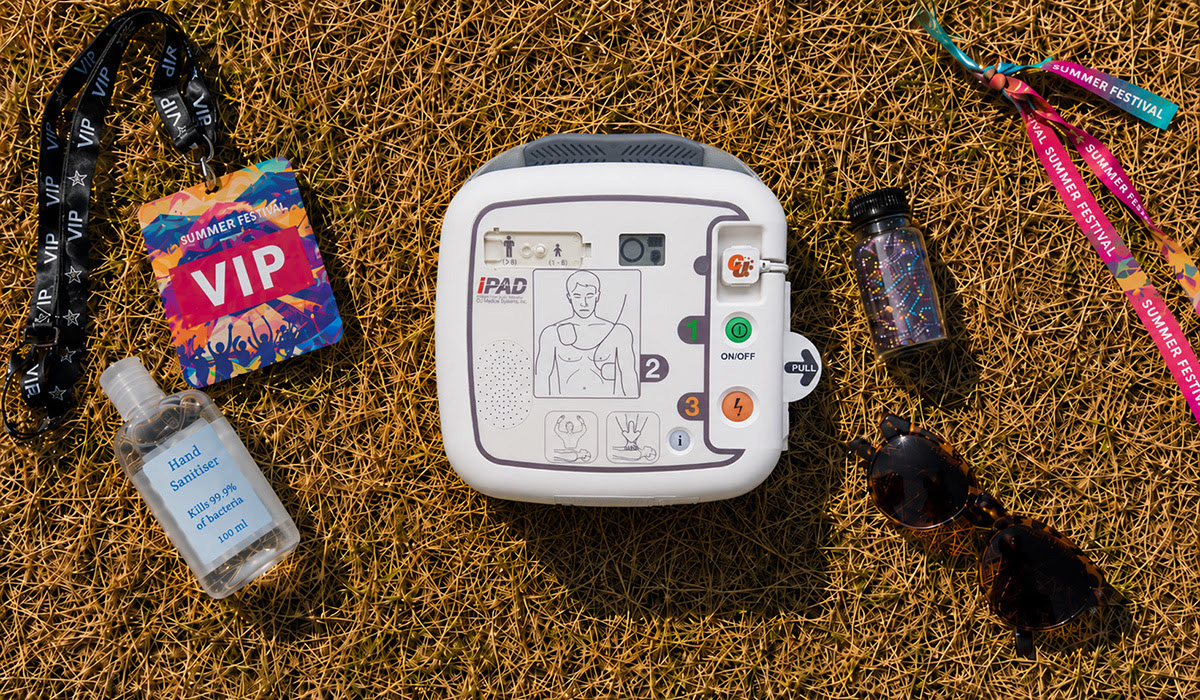
Above: An iPAD SP1 Automated External Defibrillator, recommended by 75% of NHS Ambulance services nationwide.
Why Police Officers Are a Natural Link in the Chain of Survival
According to the petition, Police officers complete CPR and defibrillator training in basic training; they also take part in annual refresher courses. Police are often the first emergency responder to reach a cardiac emergency, yet theirs are the only emergency response vehicles without defibrillators.
Resuscitation Council UK says every minute without CPR and defibrillation reduces the chance of survival by 10%, and its 2025 guidelines state that bystander CPR and early defibrillation can double to quadruple survival chances.
An Automated External Defibrillator works in conjunction with CPR and can be used whilst waiting for the ambulance service to arrive, and an officer carrying an AED can deliver a shock, if needed, without waiting for an ambulance.
What the Police Defibrillator Petition Asks For
The petition, “Make it mandatory for all Police Response Vehicles to carry defibrillators”, was created by Naomi Clare Rees Issitt, Jay’s mum and founder of the OurJay Foundation. It opened on 6 November 2026 and closes on 6 May 2027, and more than 4,000 people have signed so far.
Today, a defibrillator is standard (fitted as normal practice) in only a small minority of emergency response vehicles. The petition asks for it to be mandatory, so every police response vehicle must carry one.
Where Things Stand
For now, the government treats this as an operational decision for forces, and the minister said in April she was carefully considering next steps. At 10,000 signatures the government will respond, and at 100,000 the petition will be considered for debate in Parliament.
Keeping Defibrillators in Police Cars Ready for an Emergency
A defibrillator only helps if it works when needed. In a vehicle, that means:
- A named owner for each device, carrying out regular, recorded checks.
- In-date pads and batteries, with replacements ordered before expiry.
- Secure storage within the manufacturer’s temperature range. Vehicle cabins can swing from below freezing to very hot, so vehicle devices need more frequent checks than indoor units.
How You Can Help
- Sign and share the petition.
- Learn CPR. Call 999, start CPR, get the AED, turn it on and follow the prompts. Anyone can use one, and it only shocks if needed.
- Know where your nearest defibrillator is, and don’t wait for the ambulance if one is available.
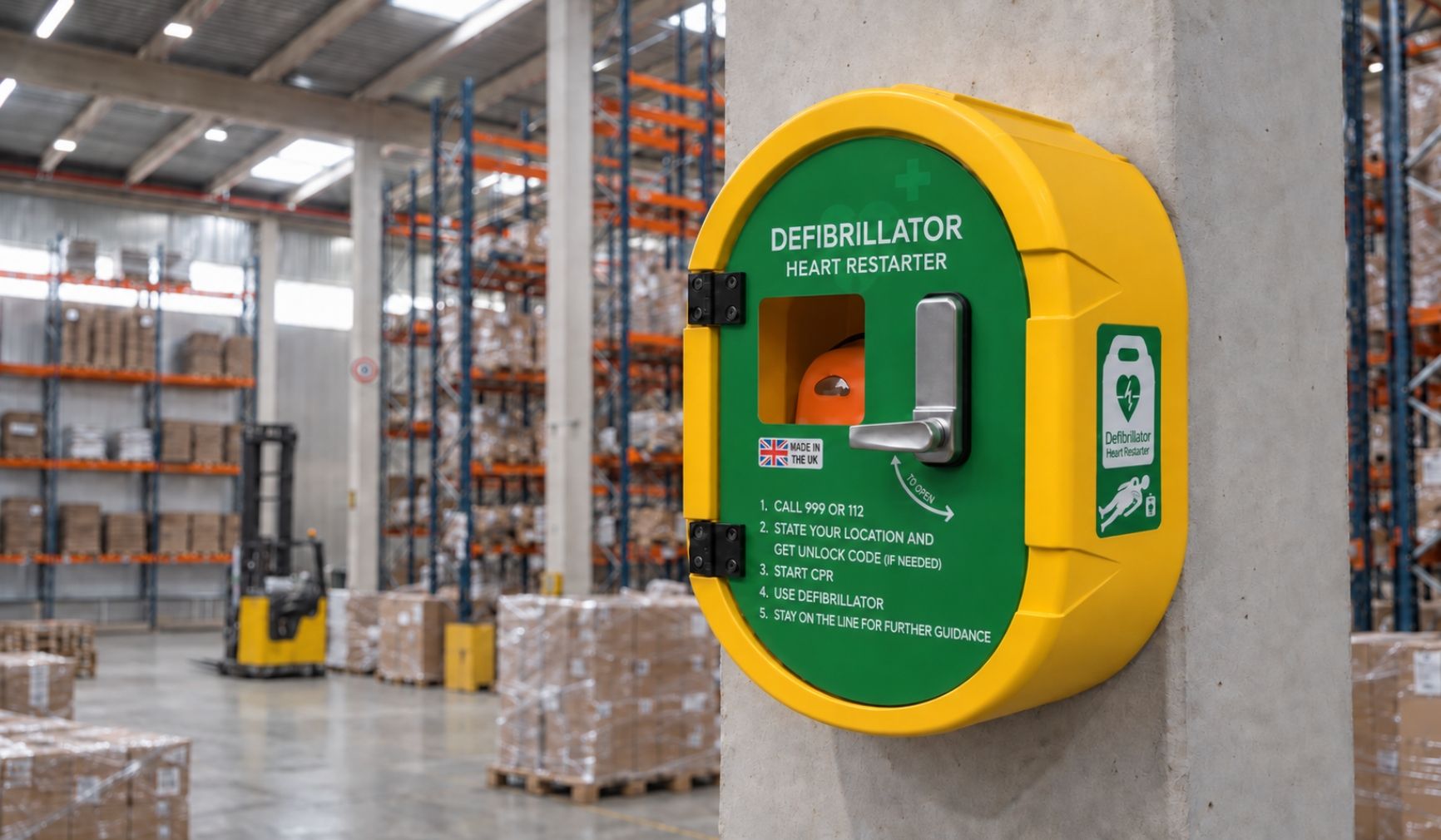
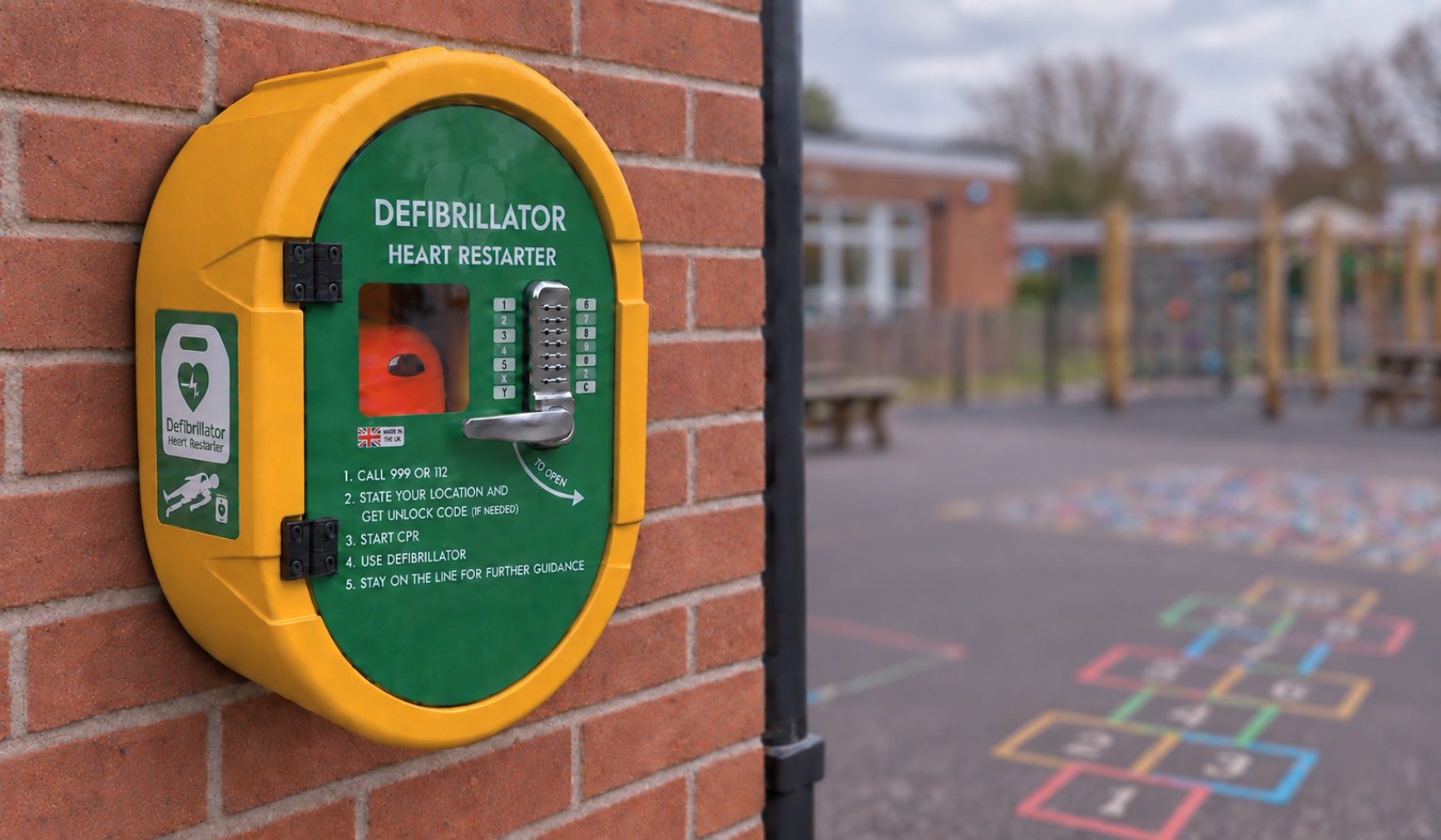
- Register any defibrillator you look after on The Circuit and, where possible, keep it accessible 24/7 in an outdoor cabinet such as DefibSafe.
- Support the OurJay Foundation and its work placing defibrillators in communities and police vehicles.
Why WEL Medical Is Backing OurJay
WEL Medical has supplied defibrillators across the UK since 2006. We are a core supplier to the British Heart Foundation, an NHS partner, and our iPAD AED range is used by NHS ambulance services. We know how much the first minutes matter, and police officers are often there in those minutes. Please sign and share the petition, or to learn more, please talk to our team.
FAQs
Do police cars in the UK carry defibrillators?
Most do not. An all-party parliamentary group survey found fewer than 10% of police response vehicles carry one as standard. Each force decides for itself, so defibrillators in police cars are more common in some areas, such as Durham, than others.
Are police officers trained to use defibrillators?
Yes. According to the OurJay petition, officers complete CPR and defibrillator training during basic training, with annual refreshers. They can use an AED as soon as they arrive, if one is in the vehicle.
What is the OurJay Foundation?
The OurJay Foundation is a registered charity (no. 1200846) founded by Jay’s mum, Naomi. It has installed 422 defibrillators across Warwickshire and beyond, raises awareness and provides lifesaving skills training.
What happens if the petition reaches 10,000 or 100,000 signatures?
At 10,000 signatures, the government will respond. At 100,000, the petition will be considered for debate in Parliament. It closes on 6 May 2027.




Leave A Comment