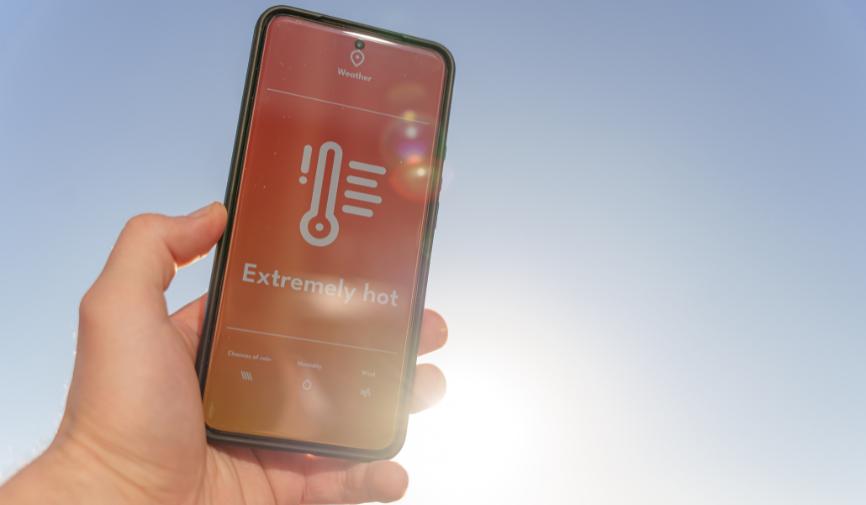
When the UK Health Security Agency issued its first-ever red heat-health alerts, it confirmed something we have suspected for years: extreme heat is no longer a rare event in Britain. What’s more, it puts lives at risk, partially through the links between heatwaves and heart health.
It can also have a major impact on the efficacy of your defibrillators, meaning it’s important to make sure they’re stored correctly.
For those responsible for a workforce, a venue or a vulnerable community, understanding heatwaves and cardiac risk is now an important part of the job.
Why Heatwaves And Heart Health Are Closely Linked
Hot Weather Puts Extra Strain On The Heart
When the temperature increases, your body works hard to stay cool.
Blood vessels widen, the heart beats faster, and on a very hot day it can pump significantly more blood per minute than it would in mild conditions. For a healthy person, that can be tiring, but for someone with an existing heart condition, it can be dangerous.
The British Heart Foundation warns that high temperatures can cause blood pressure to drop suddenly. This places people with cardiovascular disease at greater risk of serious complications. Dehydration also thickens the blood, which makes the heart work harder still. If you add physical exertion into the mix, the strain multiplies.
The Numbers Behind UK Heat Deaths
The UK Health Security Agency recorded 1,311 heat-associated deaths in England during four periods of hot weather in 2024, and that was one of the cooler summers of recent years. A lot of those deaths involved cardiovascular causes. Heatwaves and heart health belong in the same conversation, and employers and venue managers need to be part of it.
Who Faces The Greatest Cardiac Risk During A Heatwave?
Cardiac Risk for Outdoor Workers in Summer
Anyone doing physical work in direct sun is asking their heart to cool the body and power the muscles at the same time. PPE can exacerbate the risk by trapping heat and preventing sweat from evaporating.
The cardiac risk that outdoor workers face rises sharply when shifts run through the hottest part of the day, and many of these teams work on sites that are a long way from the nearest ambulance station.
Event Crowds And Busy Public Venues
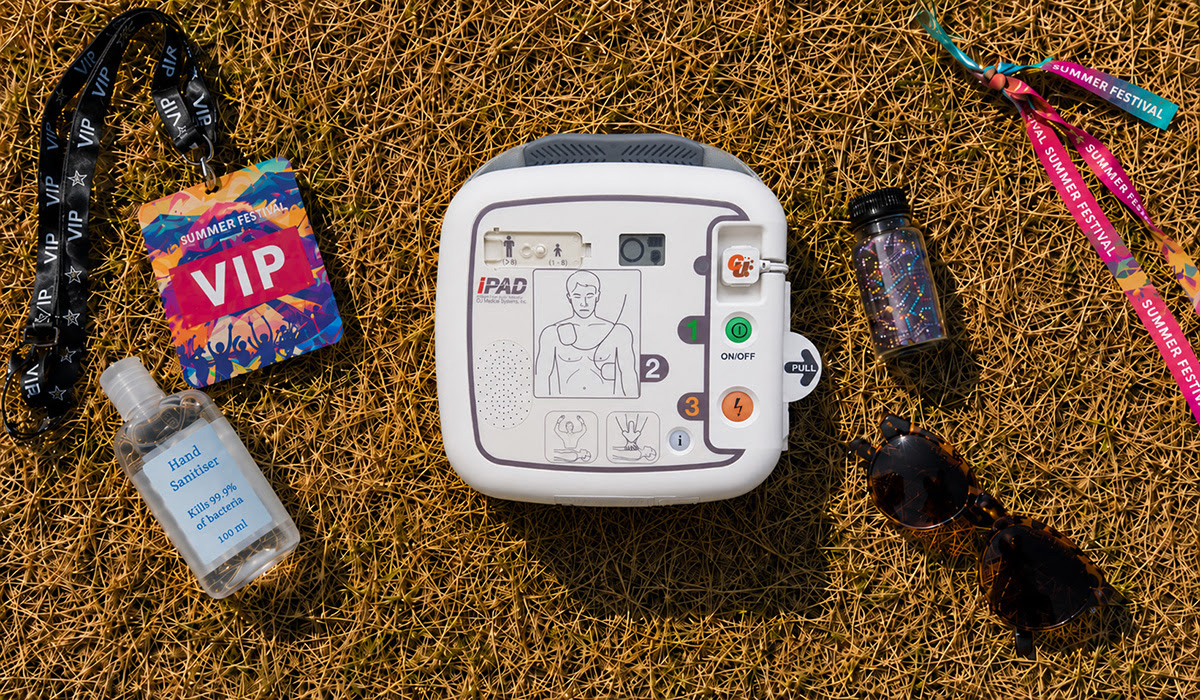
Festivals, sports fixtures, fetes and outdoor markets bring thousands of people together in the heat, often with alcohol, as well as excitement and long periods of standing.
Cardiac arrests in crowds are a known risk at any time of year. In a heatwave, that risk increases while access for emergency services becomes harder. Every minute of delay matters.
Older People And Those With Existing Heart Conditions
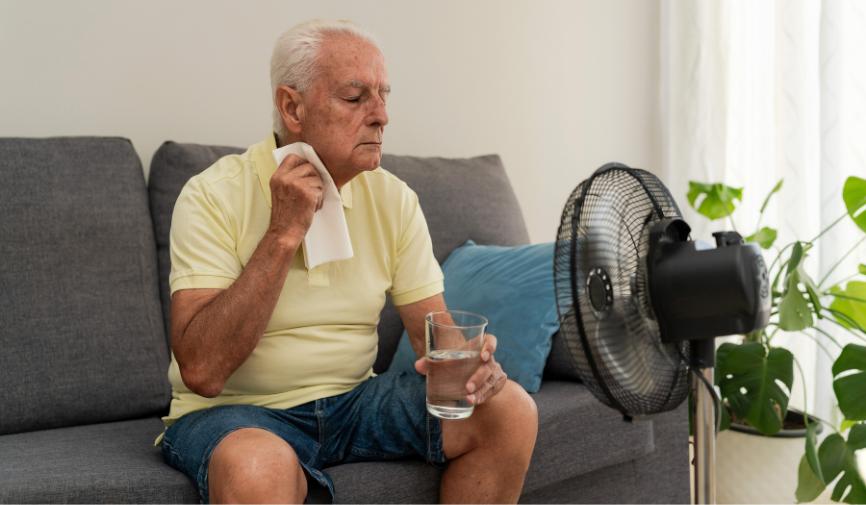
People over 75 find it harder to regulate their body temperature, and many take medications, such as diuretics or beta blockers, that reduce the body’s ability to cope with heat. Care homes, community centres and shops serving older customers should treat every amber or red heat alert as a prompt to check their emergency readiness.
Is Your Workplace Ready For The Next Heatwave?
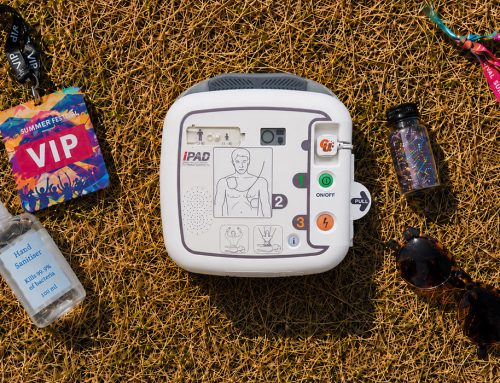
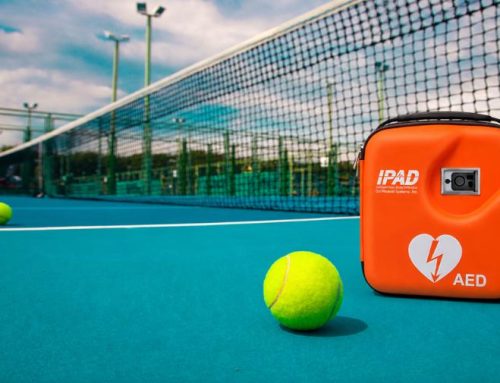
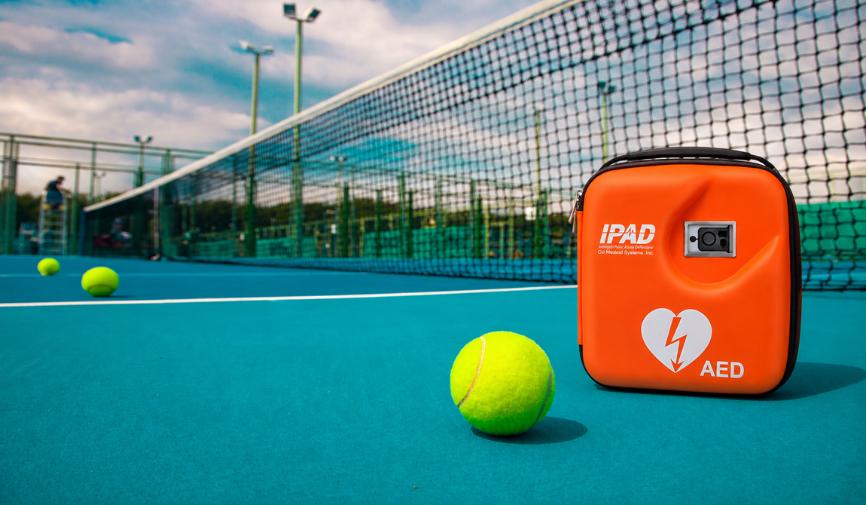
At WEL Medical we have spent nearly two decades helping workplaces, schools, sports clubs and public venues become genuinely cardiac-ready. Our iPAD defibrillators are trusted by NHS ambulance services and designed so that anyone can use them, with clear voice prompts that guide a bystander through every step. Get in touch to find out more.
What Employers Should Do Before Hot Weather Arrives
Carry Out A Heat-Specific Risk Assessment
UK employers already have a legal duty to protect workers from risks to their health, and that includes heat. A recent House of Commons Library briefing confirms there is no legal maximum working temperature, which means the responsibility sits squarely with employers to assess conditions and act.
Practical steps could include shifting heavy work to cooler hours, providing shade and cool water, building in extra breaks, and briefing supervisors on the signs of heat exhaustion, heatstroke and cardiac arrest.
Make Sure A Defibrillator Is Close And Ready
Survival from cardiac arrest falls by around 10 per cent with every minute that passes without defibrillation. On a large site or at a busy event, walk the route from your furthest working area to your nearest AED. If the round trip takes more than a couple of minutes, you need another device, and everyone on site needs to know where it lives.
Hot Weather Affects Defibrillators Too
How High Temperatures Impact AED Performance
The same heat that endangers your people can also degrade the very device meant to save them. Most defibrillators are designed to be stored between roughly 0 and 43 degrees, but inside a sealed outdoor cabinet in direct summer sun, temperatures can climb well beyond that.
Prolonged heat shortens battery life and dries out the adhesive gel on electrode pads, which can compromise their contact with the skin at the moment it matters most.
Why We Recommend The Temperature-Controlled DefibSafe 2
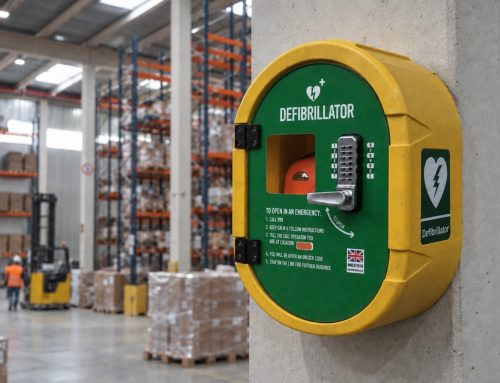
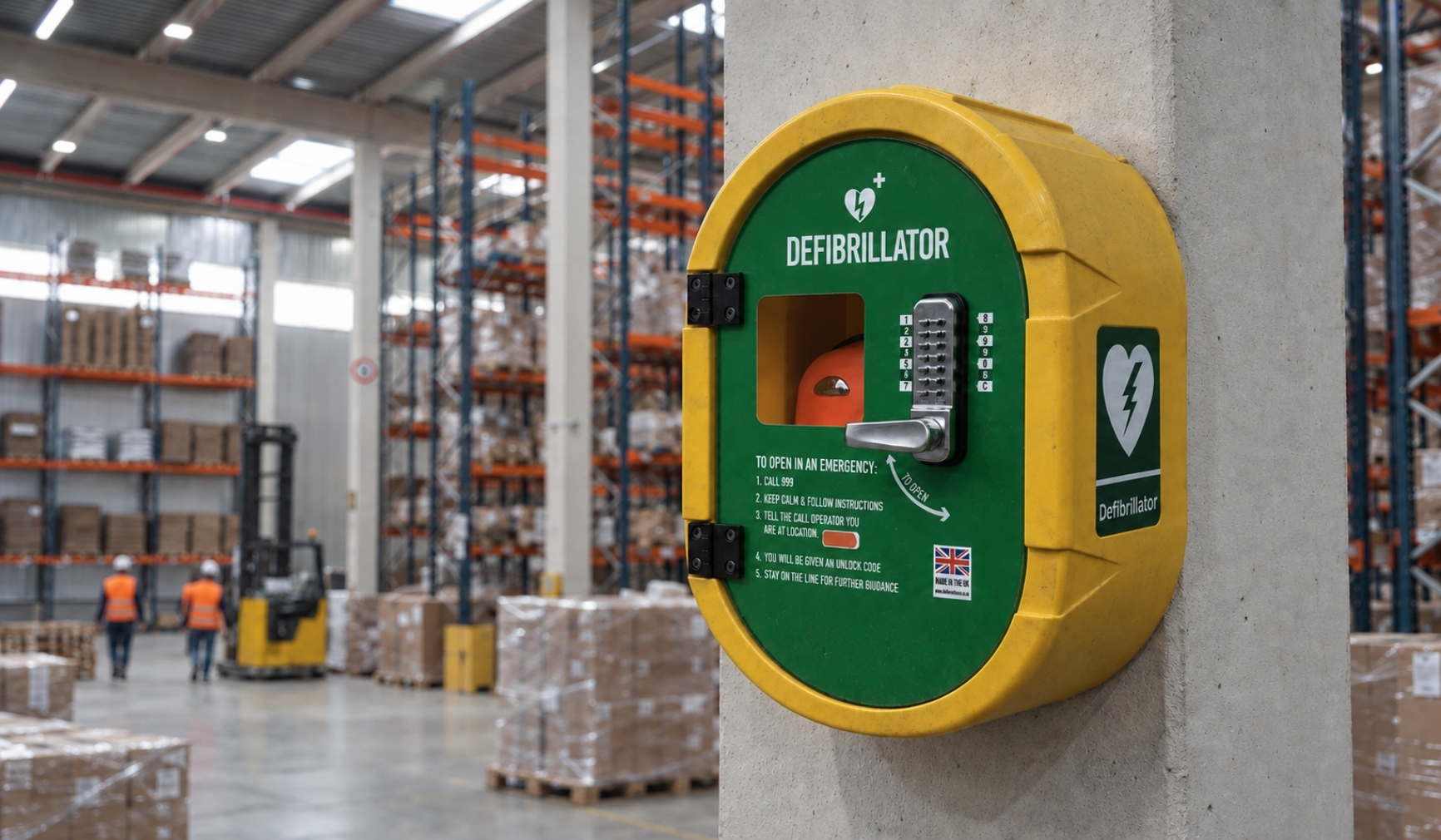
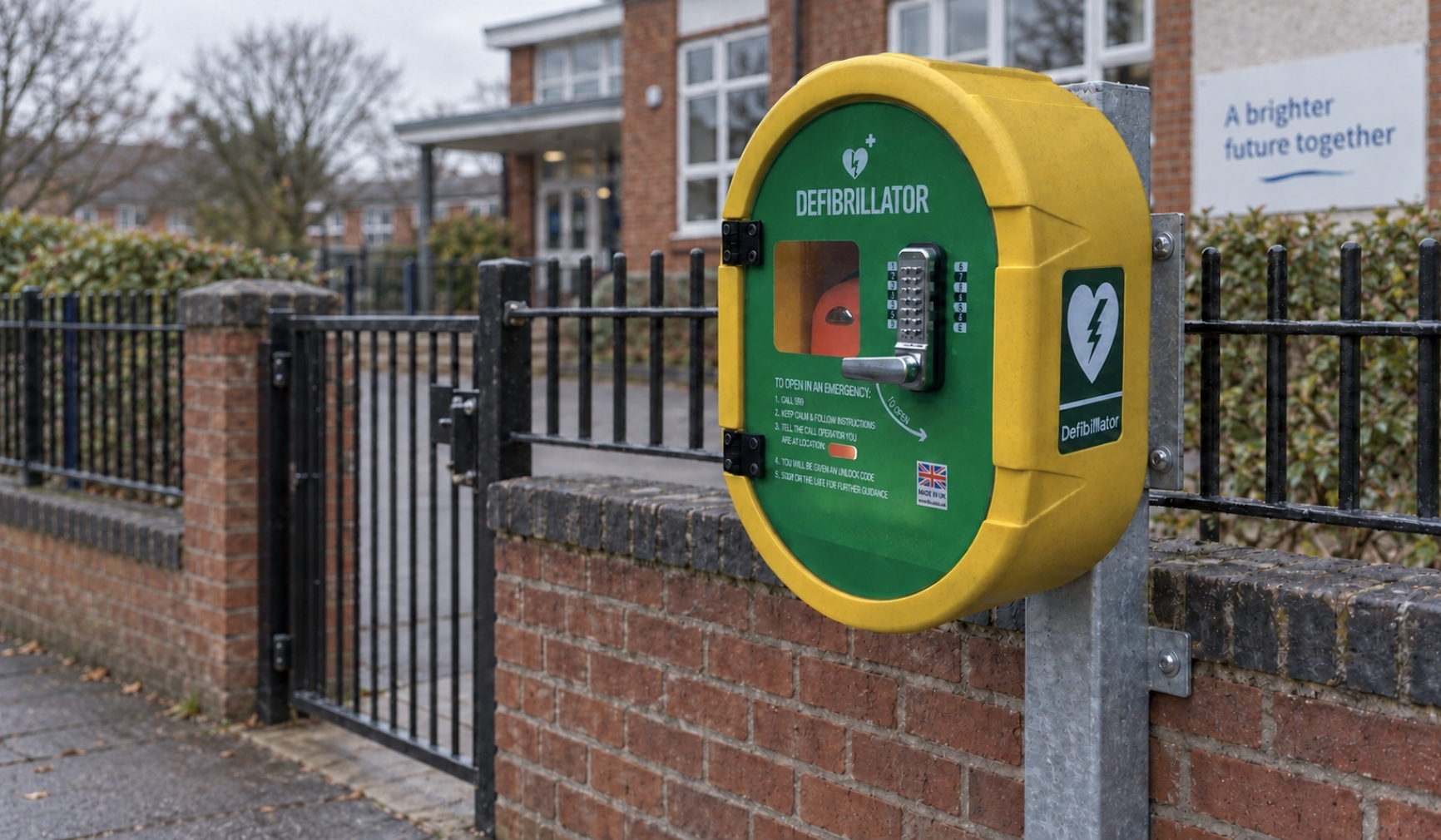
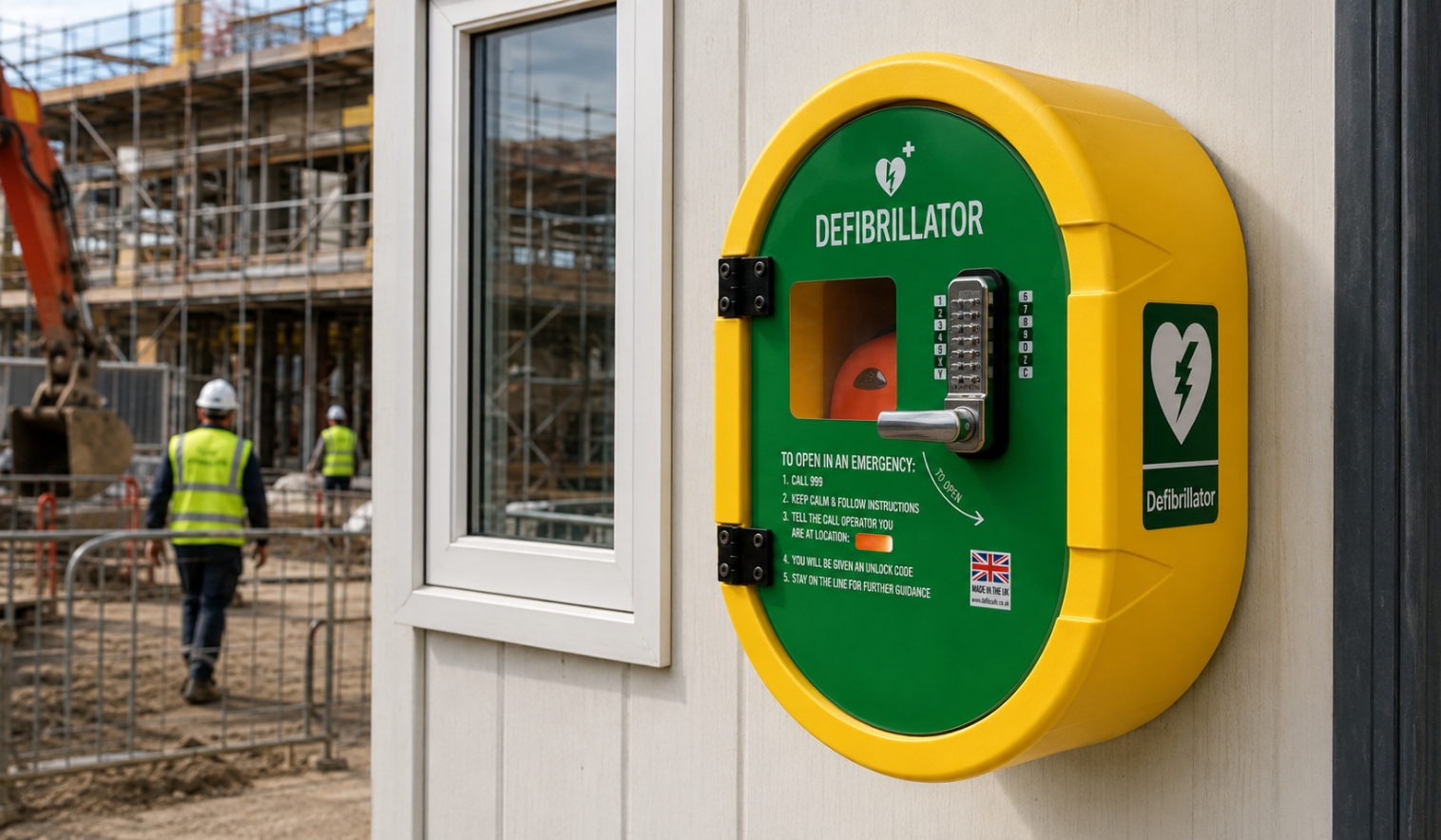
This is exactly why we developed our DefibSafe 2 cabinet with active temperature control.
It keeps the internal air temperature between 5 and 25 degrees all year round, protecting your defibrillator from summer heat just as reliably as winter frost. The door is made from riot-shield-grade material, and thousands of DefibSafe cabinets are already installed across the UK. Buying a defibrillator is a commitment to being ready.
Housing it properly is how you keep that promise through every heatwave.
Want to Protect Your Workplace from the Cardiac Risk of Heatwaves?
Hot summers are part of British life now, and so is the responsibility that comes with them.
Whether you manage a construction site, run a village sports day or look after a busy high street shop, being cardiac ready is one of the kindest things you can do for your people.
We are always happy to talk through site assessments, defibrillator options, cabinets and more, with no pressure and no jargon. Get in touch with us today to find out more.
FAQs
Do heatwaves increase the risk of cardiac arrest?
Yes. Hot weather forces the heart to work harder to cool the body, raising heart rate and lowering blood pressure. This increases cardiac risk, especially for older people, outdoor workers and anyone with an existing heart condition.
Who is most at risk from heatwaves and cardiac risk in the UK?
People over 75, those with heart or circulatory conditions, outdoor workers doing physical jobs, and large event crowds face the highest risk. Certain medications, including diuretics and beta blockers, can further reduce heat tolerance.
Does hot weather affect how well a defibrillator works?
It can. Prolonged heat above manufacturer storage limits shortens AED battery life and degrades electrode pad gel. A temperature-controlled cabinet, such as the DefibSafe 2, keeps the device between 5 and 25 degrees year-round.
Should every workplace have a defibrillator for workplaces during summer?
Yes. Survival from sudden cardiac arrest falls by around 10 per cent per minute without defibrillation. An accessible, well-maintained AED For Workplaces gives colleagues the best possible chance of saving a life before an ambulance arrives.