This survivor story was kindly shared by Sue Whitham. Connect with Sue on LinkedIn.
On Friday, 22nd September 2023, after a typical day at work at St Mary’s University in Twickenham, 62-year-old Sue Whitham from West London, and her husband, Julian, were looking forward to the weekend and their 1st granddaughter’s imminent arrival.
However, in the early hours of the next morning, Sue suffered a sudden cardiac arrest.
The Hidden Heart Attack Symptoms Women Don’t Recognise
Prior to the cardiac emergency, Sue only complained of mild discomfort in her chest, assuming she was just experiencing indigestion. “I woke at 4 a.m. and put the light on, which disturbed my husband. And he told me that I said that I thought I had indigestion.”
The discomfort Sue experienced is an early warning sign that is often ignored. Women generally present with atypical cardiac symptoms whilst having a heart attack, in addition to chest pain, for example, breathlessness, nausea, dizziness, faintness or fatigue, or pain in the back and jaw.
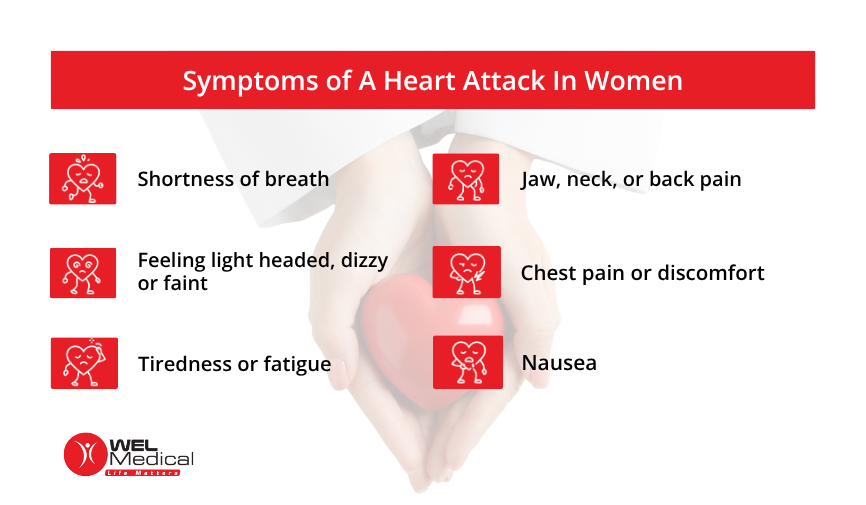
Due to this, women are 50% more likely to be misdiagnosed, leading to delayed treatment and poor outcomes. Women also have a poorer survival rate post-discharge after a cardiac episode, so it is more crucial than ever to be on the lookout for women’s heart attack symptoms.
How Home CPR Saved Sue’s Life
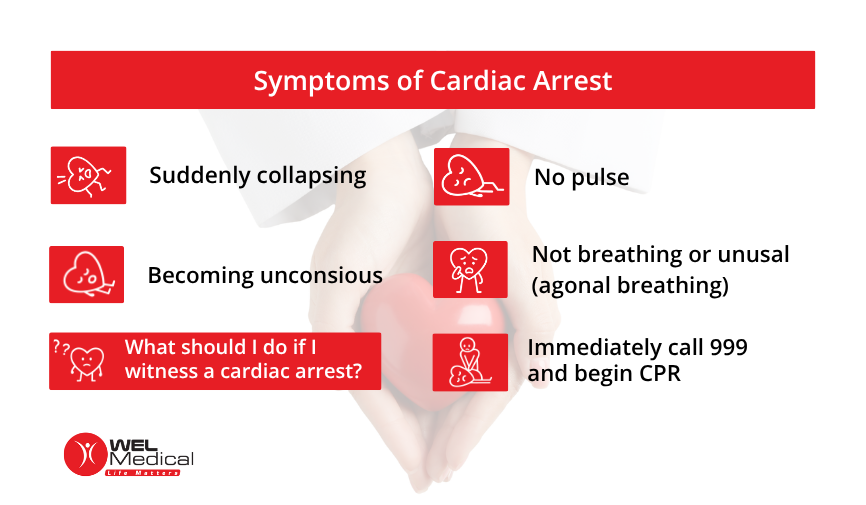
Sue collapsed shortly after returning to bed. Her husband, Julian, noticed and called 999 immediately. Fortunately, Julian, who had received CPR training some years prior, was helped and reassured to carry out CPR by a caring 999 call handler, Mattie Wright, who stayed on the line and encouraged him to keep going until help arrived.
Over 73% of out-of-hospital cardiac arrests happen at home. When paramedics arrived, Sue had no pulse. The Isleworth, Hanwell, and New Malden London Ambulance teams and a specialist trauma paramedic who was dispatched from Waterloo, continued CPR and delivered the vital defibrillator shocks. It took over an hour to stabilise Sue before they took her to St George’s Hospital in London. Sue suffered a further cardiac arrest on the way to the hospital, so they pulled over the ambulance to re-commence CPR and shock her again.
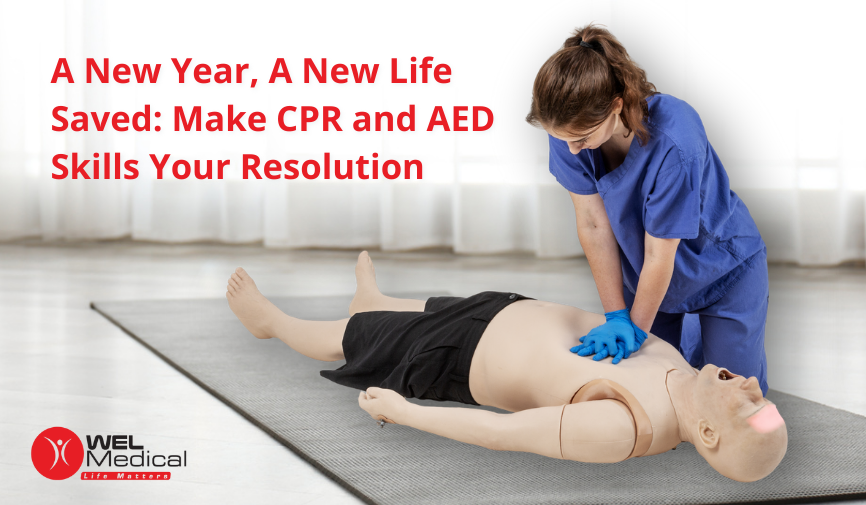
It is common that bystanders report anxiety about handling a woman’s chest, and consequently, only approximately 68% of women receive bystander CPR in public areas, whereas 73% of men receive help. This discrepancy also indicates the significance of female CPR training and education. In Sue’s case, receiving early CPR and a quick 999 response evidently improved her chances of recovery.
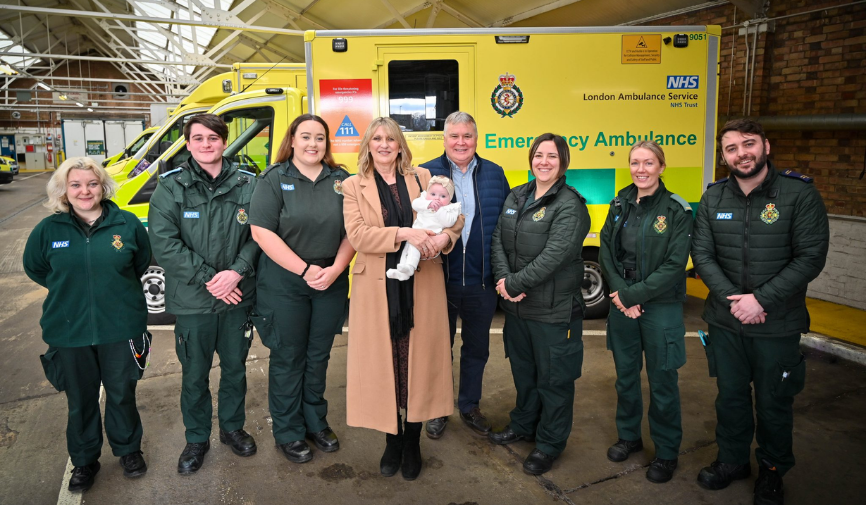
Source: Sue, Sienna and Julian with the London Ambulance team who came to the rescue. |
Facing Multiple Cardiac Arrests and Serious Complications
Upon arriving at the hospital, Sue went straight into surgery to have her arteries cleared and several stents inserted. She was then moved into the Intensive Care Unit, where she was put into a “hypothermic coma, where they lower the body’s temperature, which helps protect the brain and the heart.” She was also placed on a ventilator to take over her breathing due to the fragility of her heart. Sue went on to suffer further cardiac arrests and also contracted pneumonia in the ICU, a recognised risk for ventilated patients.
When it was felt that Sue’s heart was stronger, it was necessary for her to undergo further heart procedures to ensure her recovery. Sue’s family were at her bedside throughout and kept an ICU daily diary at the nurses’ recommendation. Sue shared, “I was in the ICU intensive care unit for several weeks, which I have no memory of at all.” When she woke, she realised just how much time had passed as she was told she had missed the arrival of her new granddaughter, Sienna. “I couldn’t believe I had a four-week-old granddaughter.” I have been able to read the ICU diary to understand what I went through, and how critically unwell I was and how lucky I am to have survived. This memory gap is common after prolonged cardiac arrest.
The Emotional and Physical Cost of Recovery
Sue suffered a mild hypoxic brain injury due to a lack of oxygen, which affected her memory, cognitive skills and muscle weakness on her left side. ICU recovery often involves this kind of neurological impact, especially after a sudden cardiac arrest. Sue shared, “When I first came out of the hospital, my heart function was 25%.” “It was very much a forward and backward journey of uncertainty for a good few weeks.”
She shared that “My recovery initially felt like an uphill struggle, I needed assistance with the most basic daily tasks and relied on a wheelchair and other equipment at home for many months. I’m so grateful for all the help and care I received to get me to where I am now. I don’t think you are ever the same after experiencing something like this, and my husband is still very anxious about me. We have our own defibrillator at home now, which offers us some reassurance. We are just so grateful for every day and look forward with a positive mindset.”
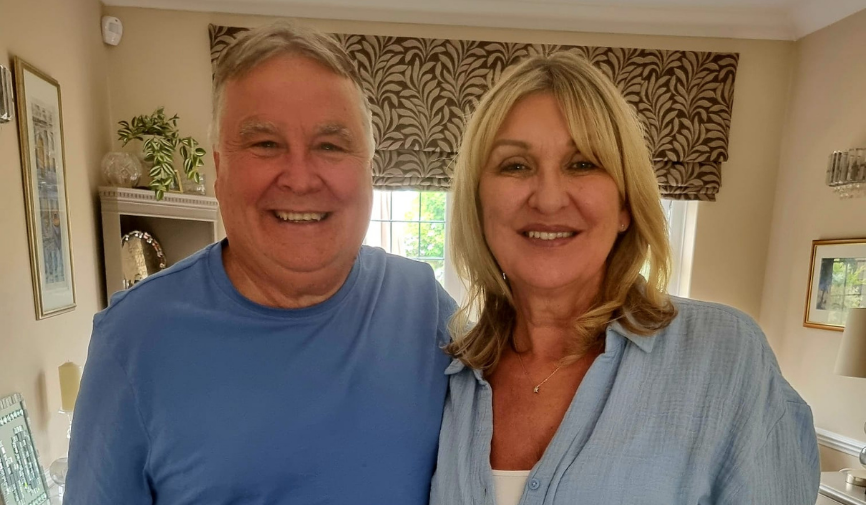
Sue’s aim now is to promote the need for defibrillators to be in ‘unlocked’ cabinets outside buildings, readily accessible, as every minute counts when it comes to saving someone who is in cardiac arrest. Sue was lucky; many cardiac arrest patients are not so lucky.
Sudden cardiac arrest is more common than people realise, and Sue encourages everyone to learn CPR. She said, “We take our defibrillator everywhere in our car, not just in case anything happens to me, but in case it could help save someone else.”
Community NHS support can make all the difference. Sue said, “I had incredible care in St George’s Hospital in London and amazing care from the community heart rehabilitation team when I got home. I was discharged from the hospital earlier than anticipated because my husband is retired, so that he could care for me, and I was able to receive support at home from a nurse, a physiotherapist and an occupational therapist coming to the house.”
Despite the high level of care, Sue felt fatigued, which is reported in up to 70% of cardiac arrest survivor stories, as well as memory loss and guilt.
Gaining Confidence in Cardiac Rehab and Community Support
Cardiac rehab is known to improve outcomes after arrest, reducing readmission and strengthening both heart and mind.
Some months after her hospital discharge, Sue joined an eight-week cardiac rehab and heart recovery programme, conducted in a supervised local hospital gym. She shared that this “helped me get some confidence to do some exercise. I had a defib there and trained people, and I had to wear a heart monitor to do exercise.”
She also found a vital support network in Sudden Cardiac Arrest UK, a peer-led community. She champions awareness for women’s heart health, CPR, and public access defibrillators, such as WEL Medical’s iPAD SPR.
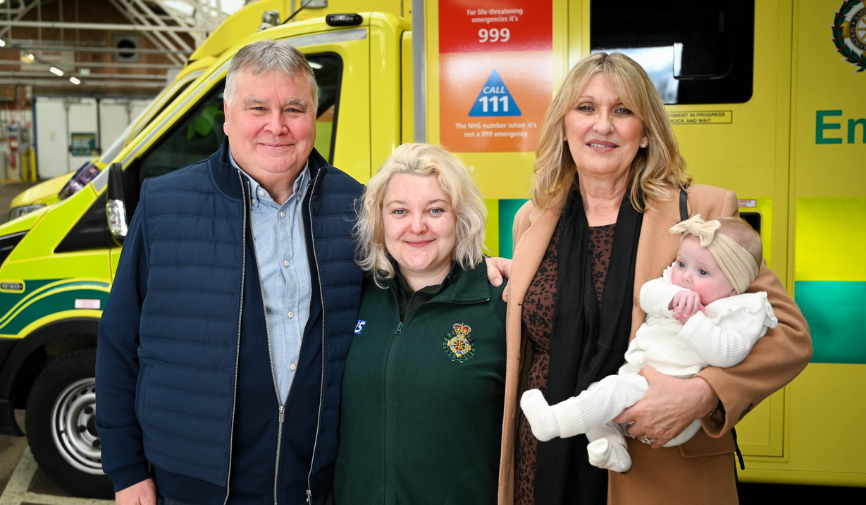
|
Advice to Other Survivors: “You Come First”
With over 30,000 women admitted to UK hospitals each year for a heart attack, it is important to raise awareness about women’s heart attack symptoms. Sue’s message to anyone recovering from cardiac arrest:
“Listen to your body and take recovery slowly. We always try to do everything … I was always a busy person with a full-time job I loved, but after my heart attack and cardiac arrest, I had to retire on health grounds due to my heart condition.
I still try to do everything. I love spending time with our grandchildren, family, and friends, but sometimes I have to accept that it’s too much for me and I’m actually just exhausted.
It’s okay to say no; it is really OK. Because your health comes first and your family, friends or whoever is your support, will [understand].”
Sue’s case also highlights the need to stay alert about symptoms of a heart attack, especially as women suffer ‘silent’ heart attacks with little or no pain. By getting educated about the most up-to-date CPR and defibrillator awareness, you can be well prepared to promptly save a life during a cardiac emergency.
Sue’s Story Is a Powerful Reminder of the Difference Preparedness Can Make
Sue’s cardiac arrest arrived without warning. The signs were subtle and easy to miss. Her husband acted straight away, started CPR, and kept going until emergency crews arrived. Hospital teams continued her care, giving her the chance to recover.
Her story encourages others to recognise unusual symptoms and feel more confident stepping forward in an emergency. It also highlights how CPR knowledge and nearby defibrillators help strengthen the safety of every community.
Ready to Strengthen the Chain of Survival?
If you’re looking for support in enhancing your organisation’s training or resources, WEL Medical can help. We provide a range of lifesaving equipment, from CPR training manikins to defibrillators. With flexible finance options available, we aim to keep our solutions as accessible as possible.
Don’t hesitate to get in touch with us to find out more about how you can make a difference in your community.

Further Reading
- From 999 to Lifesaving Action: Why AEDs Are Essential for UK Emergency Services
- International Women’s Day 2025: Increasing Awareness of Women’s Heart Health
- National Heart Month: Strengthening the Chain of Survival With CPR and AED Training
- 12 Days of Lifesaving Moments Made Possible with CPR Training and Defibrillators
- International Women’s Day: The Gender AED Gap