
The Season of Giving and the Power of Lifesaving Skills
As we approach the end of the year, we wanted to look back at some of the moments and stories that have shaped 2025 for WEL Medical and the communities we support.
As winter begins and people gather for seasonal events, sudden cardiac emergencies often rise. At WEL Medical, we focus on ensuring that lifesaving equipment and essential skills are close at hand, straightforward to use and dependable when they are needed most.
This season, we are sharing stories that show how CPR, basic life support and accessible defibrillators continue to save lives.

Survivor Stories
Sue Whitham’s Survival Story
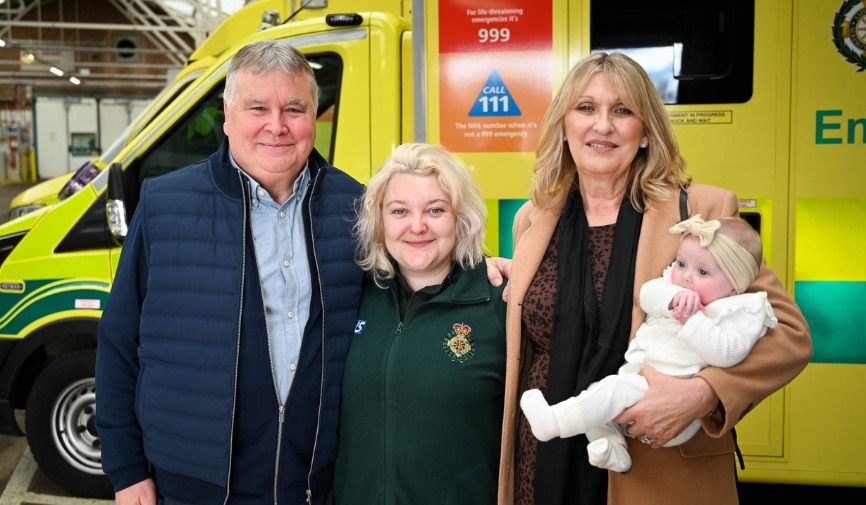
62-year-old Sue Whitham collapsed at home from a sudden cardiac arrest after experiencing mild discomfort, mistaken for indigestion. Her husband, Julian, called 999 straight away and, with guidance from call handler Mattie Wright, began CPR until London Ambulance crews arrived.
Sue had additional cardiac arrests, including one during the journey to St George’s Hospital, underwent urgent treatment and was placed in a hypothermic coma, developed complications such as pneumonia and a mild hypoxic brain injury. Her recovery was slow and supported by community NHS teams and cardiac rehabilitation. She now uses her experience to highlight why accessible defibrillators and CPR training are essential.
Communities Providing Access to Basic Life Support
Clare Tidal – Public Hearts Defib Campaign
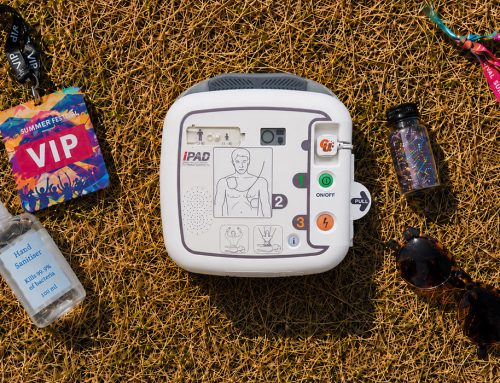
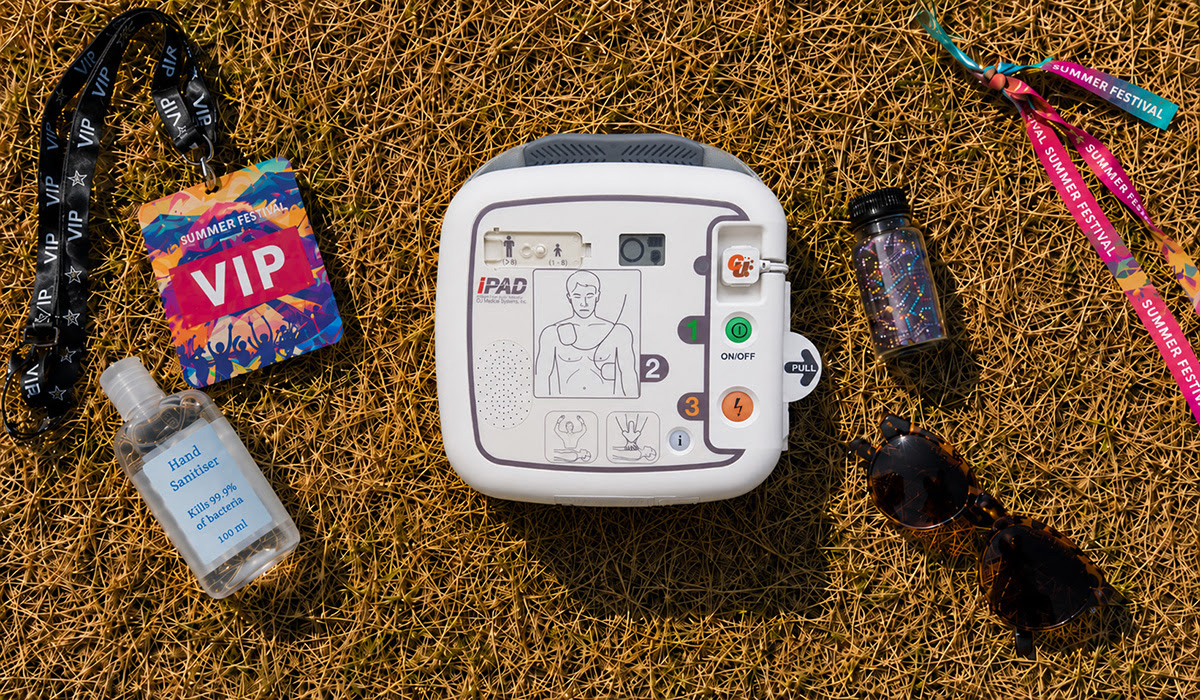
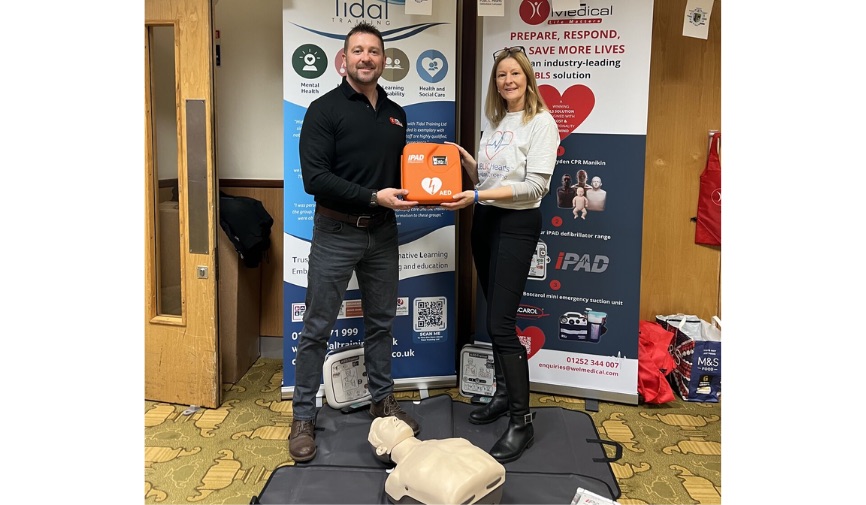
Clare’s work in community safety continues to make a meaningful difference. Through Tidal Training, she leads the Public Hearts Defib Campaign, which has placed more than ninety iPAD SP1 defibrillators in local areas and delivered CPR training to people who want to feel prepared in an emergency. Defibrillators are accessible through our iPAD range, trusted by emergency services and organisations across the UK.
These sessions help bystanders build confidence and learn the skills needed if someone collapses. You can ensure CPR training remains accurate and effective with Brayden CPR manikins, which use real-time feedback to help learners perform correct compressions. We are proud to highlight Clare’s ongoing contribution to strengthening basic life support in the community.
“Bra Off, Defib On”
This winter, we are proud to shine a light on one of the most overlooked barriers in women’s cardiac arrest response. Women are up to a third less likely to receive CPR than men, and one of the reasons people hesitate is something as simple as a bra. It is a reality that isn’t often addressed in training, yet proper pad placement is vital for a defibrillator to work.
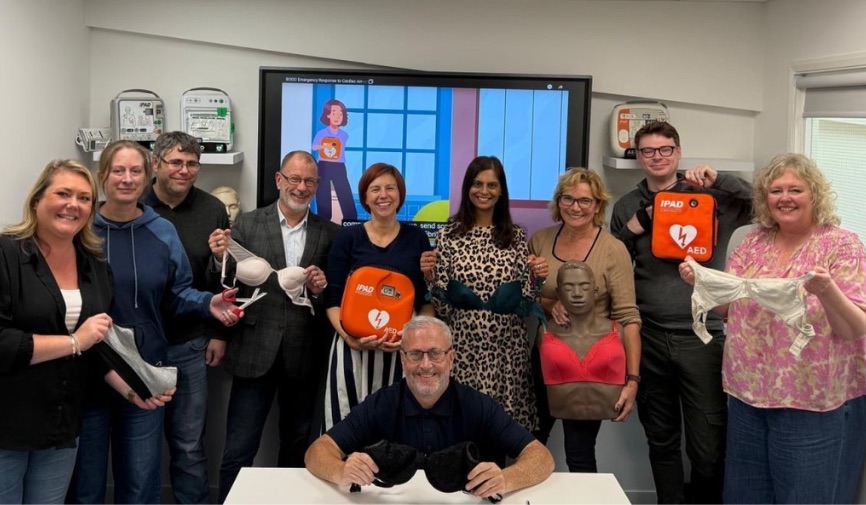
This is why WEL Medical teamed up with Bra Off, Defib On to produce a first-of-its-kind educational video. The video explains how to carry out CPR and use a defibrillator, including how to remove a bra safely and respectfully so the pads can be positioned properly. Its purpose is to address a concern that can make some people hesitate during a real emergency.
Watch, learn, and help be part of the change:
University of Reading Testimonial (Nick Bathurst)
Universities and colleges bring large numbers of people together each day, which naturally increases the chance of a medical emergency on site and makes having a clearly visible and easy to access public defibrillator crucial.
“Old defibrillators can pose a serious risk due to the deterioration of internal components over time. Like any medical device, their reliability must be taken seriously — especially in life-or-death situations. That’s why, at Reading, we made the decision to replace our ageing defibs with new, high-performance models to ensure the safety of our students, staff, and visitors. Having personally used iPAD defibs in the fire service, I know they are among the best in the field — dependable, user-friendly, and built for high-stress scenarios. That level of reliability is exactly what we wanted for our campuses.
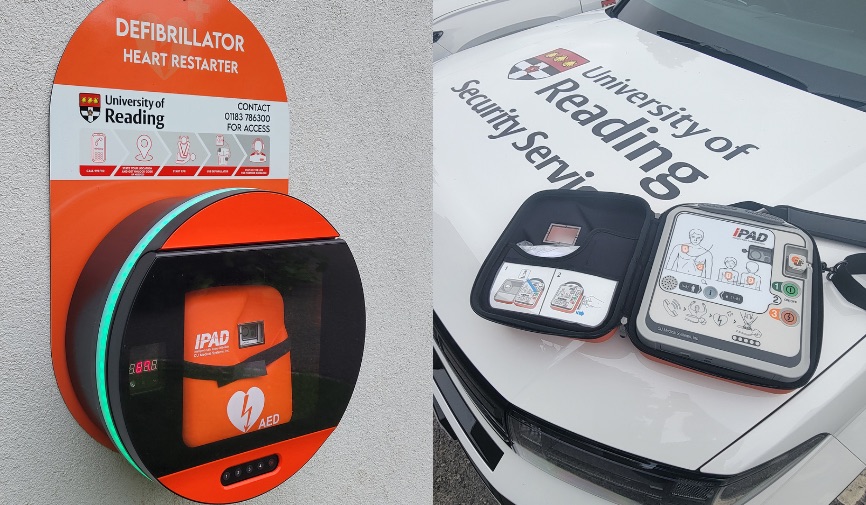
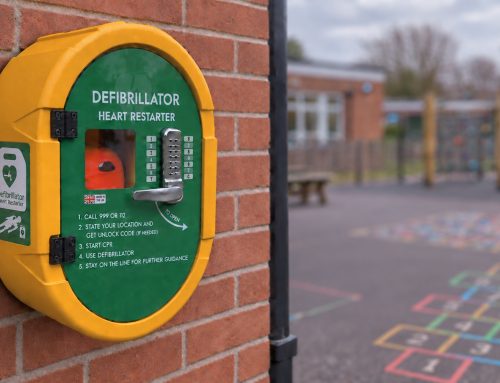
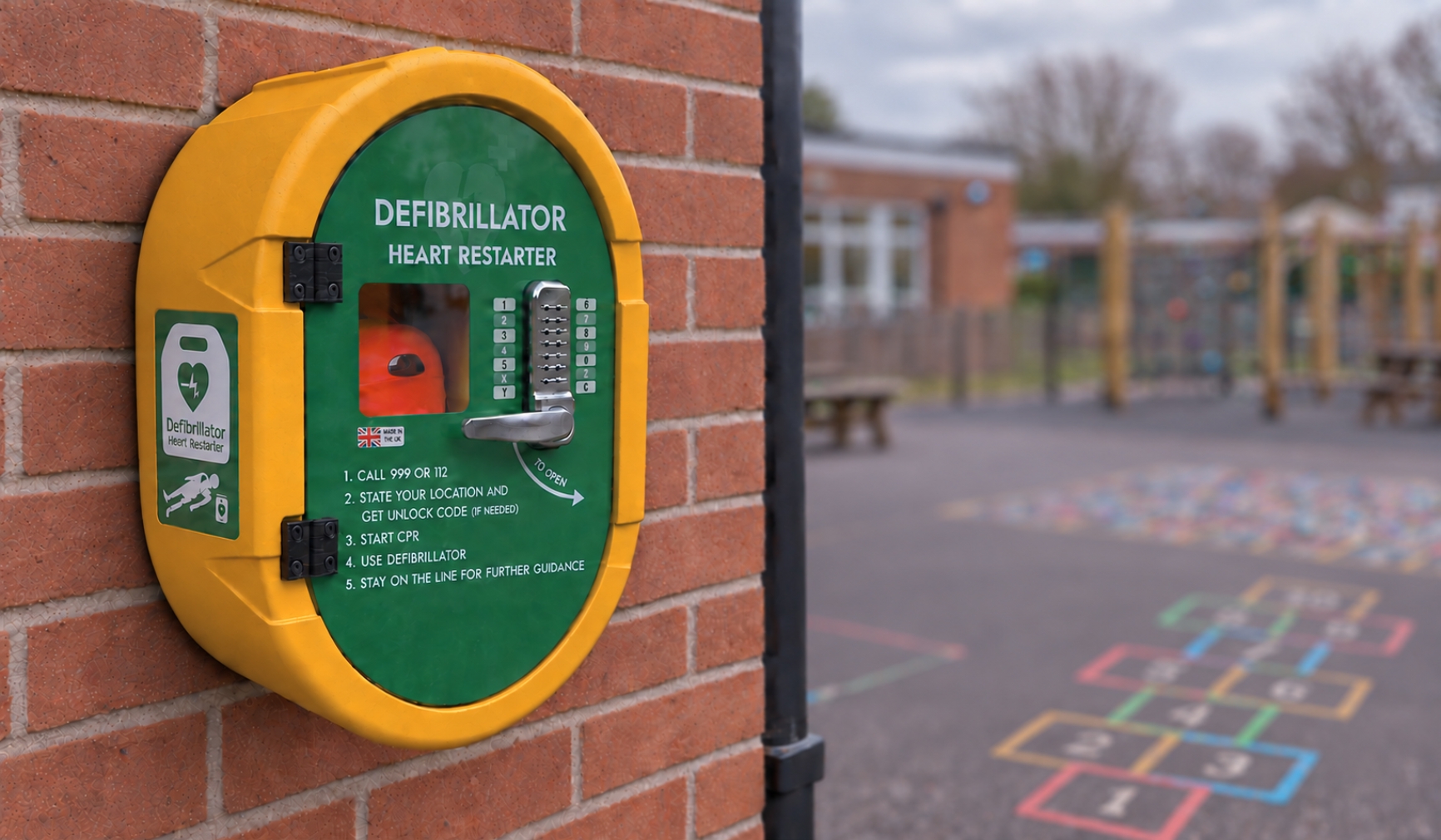
Our University grounds are also used by the wider community, so we have invested in modern external cabinets to house the defibs, making them accessible not just to those within the University, but to the public as well. These cabinets have been strategically placed across the campuses, and their locations have been clearly communicated to all staff and students. They have also been registered with The Circuit.
While we sincerely hope these defibrillators won’t need to be used, past incidents have shown just how vital it is to be prepared. This investment is about readiness, reliability, and ensuring the best possible outcome in a medical emergency.”
Nick Bathurst, Construction & Estates Health and Safety Adviser, University of Reading.
As campuses grow and welcome more visitors, universities such as Reading show why investing in reliable, modern AEDs is vital for preparedness and safer outcomes during cardiac emergencies.
Organisations Raising Awareness of Life-saving Solutions
Our Jay: Leading the Way in Community Emergency Preparedness
OurJay continues to emphasise the importance of the Chain of Survival, where early CPR, fast access to a defibrillator and prompt action can significantly improve someone’s chance of surviving a cardiac arrest.
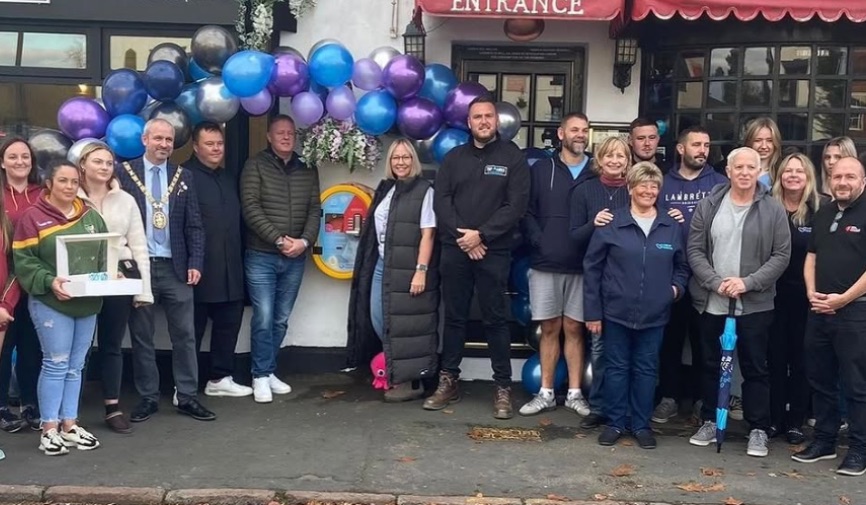
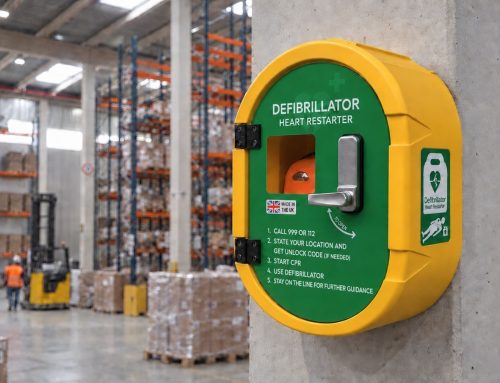
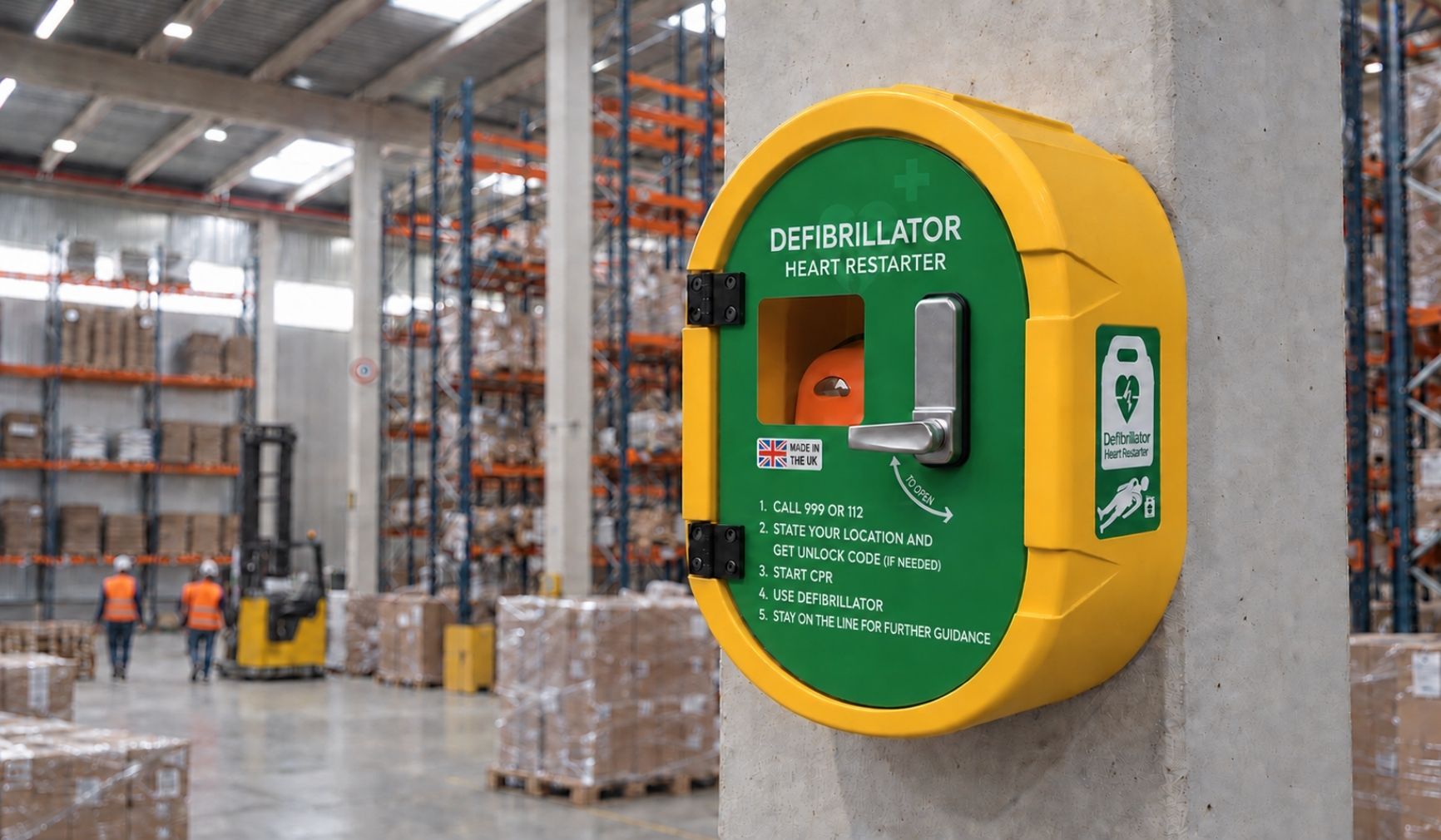
OurJay placed its 200th public-access defibrillator available for community use in emergencies. We had the pleasure of attending the big reveal outside The Kitchens Inc in Warwickshire. To recognise this heartwarming milestone, this defibrillator is housed in a special ‘200th’ DefibSafe cabinet design, honouring Jamie, the young man behind OurJay Foundation’s work and heartfelt mission. Outdoor cabinets stay winter-ready with DefibSafe’s weatherproof materials and thermostatic heating, ensuring lives can be saved year-round with reliable, well-maintained equipment.
The Paul Alan Project
The Paul Alan Project is a charity founded by Clare Parish in memory of her father, Paul, who died from a sudden cardiac arrest at a football match in 2022. The charity now focuses on improving access to public defibrillators and encouraging more people to learn the skills needed to act quickly in an emergency.
How Lifesaving Equipment Supports Communities During the Holiday Season
There are simple ways to support the chain of survival this winter: refresh CPR skills, locate the nearest defibrillator, make sure workplaces and venues have accessible AEDs, and use CPR manikins for training. Registering AEDs also helps emergency services find them quickly.

This year’s stories show how many people across the UK are working to make their communities safer and raise awareness. Some have lived through cardiac emergencies, others have faced the loss of someone they love, and many have chosen to turn those experiences into action. Their efforts, from placing defibrillators in their community to running CPR sessions and raising awareness, help more people feel able to step in when it matters. We are thankful for the continued commitment shown across the UK and will continue to support organisations and communities as they strengthen readiness in the year ahead.
Ready to Strengthen the Chain of Survival?
If you’re looking for support in enhancing your organisation’s training or resources, WEL Medical can help. We provide a range of lifesaving equipment, from CPR training manikins to defibrillators. With flexible finance options available, we aim to keep our solutions as accessible as possible.
Don’t hesitate to get in touch with us to find out more about how you can make a difference in your community.